When loyalty tiers intersect with behavioral analytics: tracing reward structures across multi-state mobile wagering networks
Wendy Neumann · Aug 14, 2026
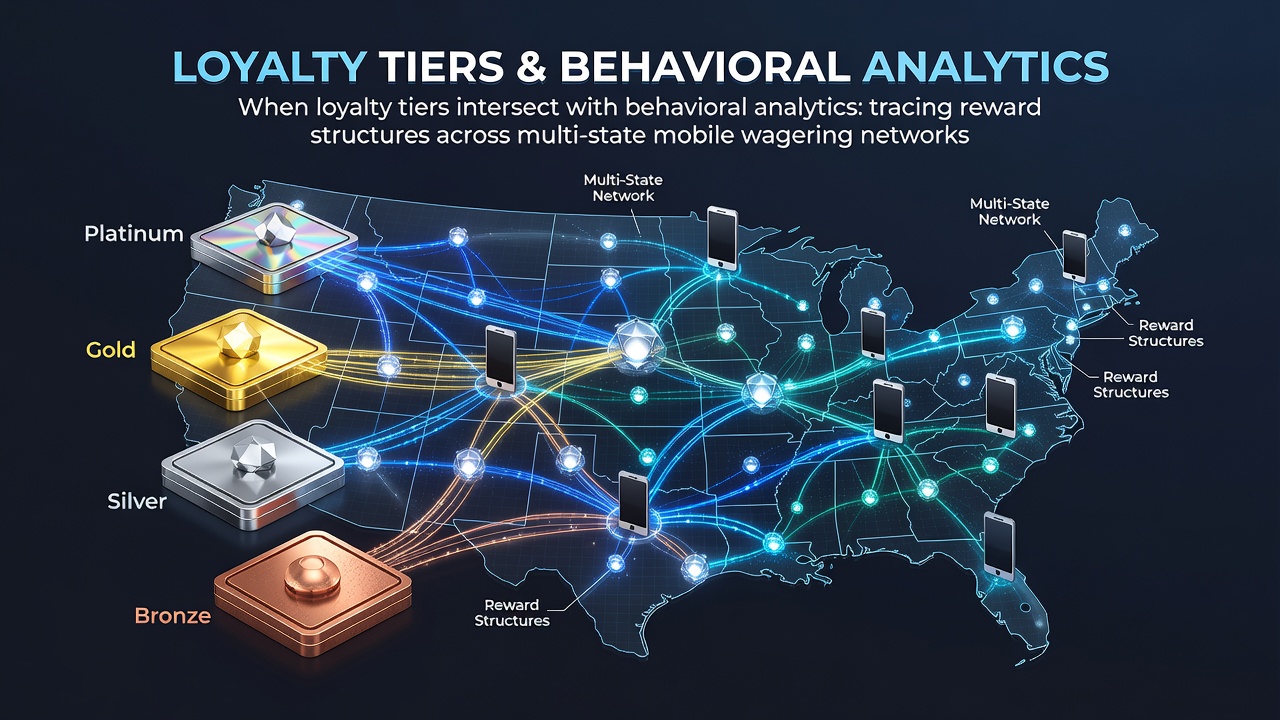
When loyalty tiers intersect with behavioral analytics: tracing reward structures across multi-state mobile wagering networks
In multi-state mobile wagering networks loyalty programs have evolved to integrate behavioral analytics that track betting frequency, stake sizes, session durations, and game preferences, allowing operators to adjust reward tiers dynamically while maintaining compliance with varying state regulations. These systems collect data across jurisdictions such as New Jersey, Pennsylvania, and Michigan, where mobile apps operate under separate licensing frameworks yet share backend analytics platforms to create unified user profiles. Operators apply machine learning models to segment users into bronze, silver, gold, and platinum categories, with each tier unlocking escalating benefits like bonus bets, cashback percentages, and exclusive event access based on predictive scores derived from historical activity.
Mechanics of Tiered Rewards in Mobile Platforms
Behavioral analytics engines process real-time inputs from in-app interactions, feeding algorithms that recalculate loyalty points and tier status at intervals ranging from daily to weekly cycles. Research from industry reports shows that platforms adjust reward multipliers automatically when users exhibit patterns like increased parlay activity or consistent live betting during peak hours, and this personalization occurs while operators navigate distinct tax structures and responsible gambling mandates in each state. Data indicates that cross-border user accounts experience seamless tier progression because centralized databases reconcile activity logs without violating jurisdictional firewalls, although verification bottlenecks can arise during high-volume periods such as major sports seasons.
Analytics Integration Across Jurisdictions
Multi-state networks deploy unified analytics suites that aggregate anonymized datasets to refine reward algorithms, yet each state imposes unique data retention and audit requirements that shape how information flows between apps and backend servers. In August 2026 several operators expanded their use of third-party risk models to predict churn rates, applying these insights to offer targeted tier upgrades that encourage sustained engagement without breaching promotional caps set by individual gaming commissions. Those who have examined platform architectures note that biometric authentication layers now feed directly into loyalty scoring systems, enabling faster tier recalibrations when users switch devices across state lines.

What's interesting is how these intersections allow for granular segmentation where high-frequency users in one state might receive accelerated cashback rates while similar activity in another jurisdiction triggers different bonus structures due to local hold percentages. External partnerships with data firms supply supplementary signals such as device telemetry and location timestamps, which operators combine with internal logs to build comprehensive profiles that inform tier eligibility. According to findings published by the Responsible Gambling Council, such integrations have prompted operators to embed responsible play thresholds directly into loyalty engines, automatically pausing reward accrual when analytics flag potential overactivity.
Cross-State Variations in Reward Structures
State-specific rules create distinct reward pathways even as analytics platforms operate uniformly behind the scenes, and observers note that platforms in regulated markets like Illinois and Colorado often calibrate bonus values differently to align with local revenue-sharing formulas. Figures from regulatory filings reveal that loyalty point redemption rates fluctuate by jurisdiction, with analytics tools highlighting correlations between tier status and preferred bet types such as props versus moneylines. And because user consent mechanisms differ across states, operators must maintain separate opt-in protocols that feed into the same central analytics repository, creating layered compliance layers that affect how quickly rewards activate after qualifying activity.
Take one documented case where a platform adjusted its platinum tier criteria mid-season in response to analytics showing elevated live-betting volumes in two neighboring states, resulting in revised point thresholds that applied uniformly yet respected each market's promotional disclosure rules. Researchers have tracked how these adjustments influence user retention metrics, with data showing measurable upticks in tier-locked features following targeted interventions derived from behavioral clustering. The reality is that such tracing of reward structures demands robust audit trails, and gaming associations have documented the increasing reliance on automated reporting that synchronizes loyalty data with state-mandated tax and transparency filings.
Future Trajectories in Analytics-Driven Loyalty
Emerging protocols emphasize greater interoperability between state systems, allowing loyalty profiles to migrate more fluidly when users relocate while preserving behavioral history that informs ongoing tier benefits. Industry organizations including the American Gaming Association have highlighted collaborative efforts to standardize certain analytics outputs for regulatory review, which could streamline how reward structures adapt to new market entries. Those who've studied these networks observe that continued refinement of predictive models will likely incorporate additional variables such as weather impacts on sports events or social betting trends, all while operators balance personalization against privacy constraints embedded in each state's framework.
Conclusion
Tracing reward structures across multi-state mobile wagering networks reveals a landscape where loyalty tiers and behavioral analytics converge to produce adaptive, jurisdiction-aware systems that process vast datasets in real time. These intersections enable precise customization of benefits yet require careful navigation of disparate regulatory environments, and ongoing developments in August 2026 underscore the sector's focus on integrated compliance tools. As analytics capabilities advance, the mechanisms for tier progression and reward allocation will continue to evolve in tandem with state-level oversight, shaping how operators deliver value to users across expanding networks.