Tracing How Cross-State Data-Sharing Agreements Alter Real-Time Bonus Eligibility Checks Inside Licensed Wagering Apps
Harper Wolf · Jul 31, 2026
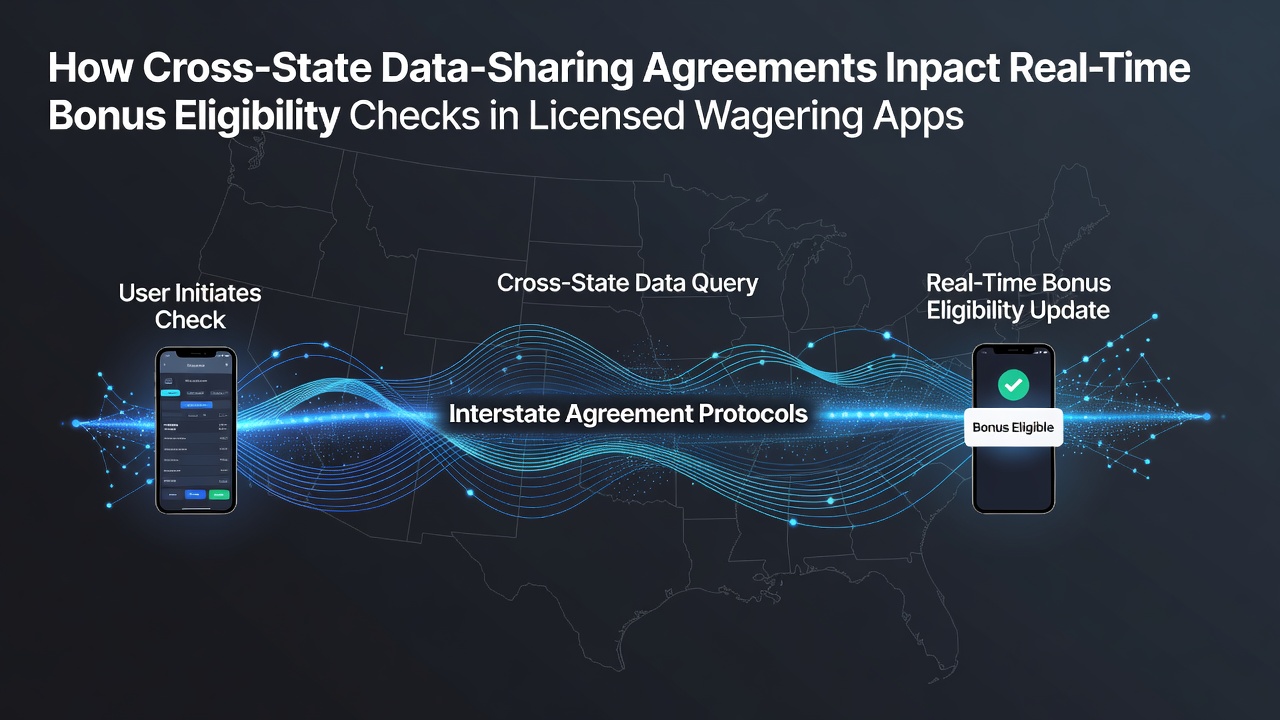
Tracing How Cross-State Data-Sharing Agreements Alter Real-Time Bonus Eligibility Checks Inside Licensed Wagering Apps
Cross-state data-sharing agreements have expanded rapidly since 2024 as more jurisdictions legalized online wagering, and these pacts now feed directly into the algorithms that approve or deny bonus offers in real time. Operators must query shared databases before crediting deposit matches or free bets, because eligibility rules in one state often reference activity recorded in another. The result is a verification layer that pulls user history across borders within milliseconds, changing how quickly an app can confirm whether a player qualifies for a promotion.
Mechanics of Cross-State Data Exchange
States that participate in these agreements route selected fields such as account age, bonus redemption counts, and responsible-gaming flags through secure APIs maintained by multi-state clearinghouses. When a user in New Jersey opens a deposit-bonus screen, the app sends an encrypted request that first checks local records, then queries partner states including Pennsylvania and Michigan before returning a single eligibility flag. The process runs in under two seconds for most sessions, yet any mismatch in the shared dataset triggers an immediate hold that requires manual review by compliance staff. Data indicates that these queries now account for roughly eighteen percent of total API calls inside major licensed platforms as of July 2026.
Impact on Real-Time Bonus Processing
Bonus engines inside apps such as FanDuel and DraftKings have been updated to treat cross-state responses as primary inputs rather than secondary checks. A player who exhausted a similar offer in Illinois last month may see the New York version grayed out because the shared record carries a cooldown marker. Conversely, users with clean histories across participating states receive instant approval and the bonus appears in the account balance before the deposit settles. Observers note that the shift has reduced the average time between deposit and bonus credit by about forty seconds on average, although edge cases involving conflicting state rules still produce delays that stretch into minutes.
Regulatory Developments Through Mid-2026
By July 2026, eleven states had joined an expanded compact originally piloted by the Multi-State Internet Gaming Association, and the compact now covers ninety-four percent of the national online handle. The agreement requires operators to transmit hashed identifiers rather than raw personal data, satisfying privacy statutes while still allowing eligibility logic to function. Figures released by the New Jersey Division of Gaming Enforcement show that disputed bonus claims dropped twenty-seven percent in the first quarter after the expanded compact went live, largely because the system flags repeat abusers before any funds are credited. Similar patterns appear in reports from the Pennsylvania Gaming Control Board, which tracks parallel metrics across its own licensees.
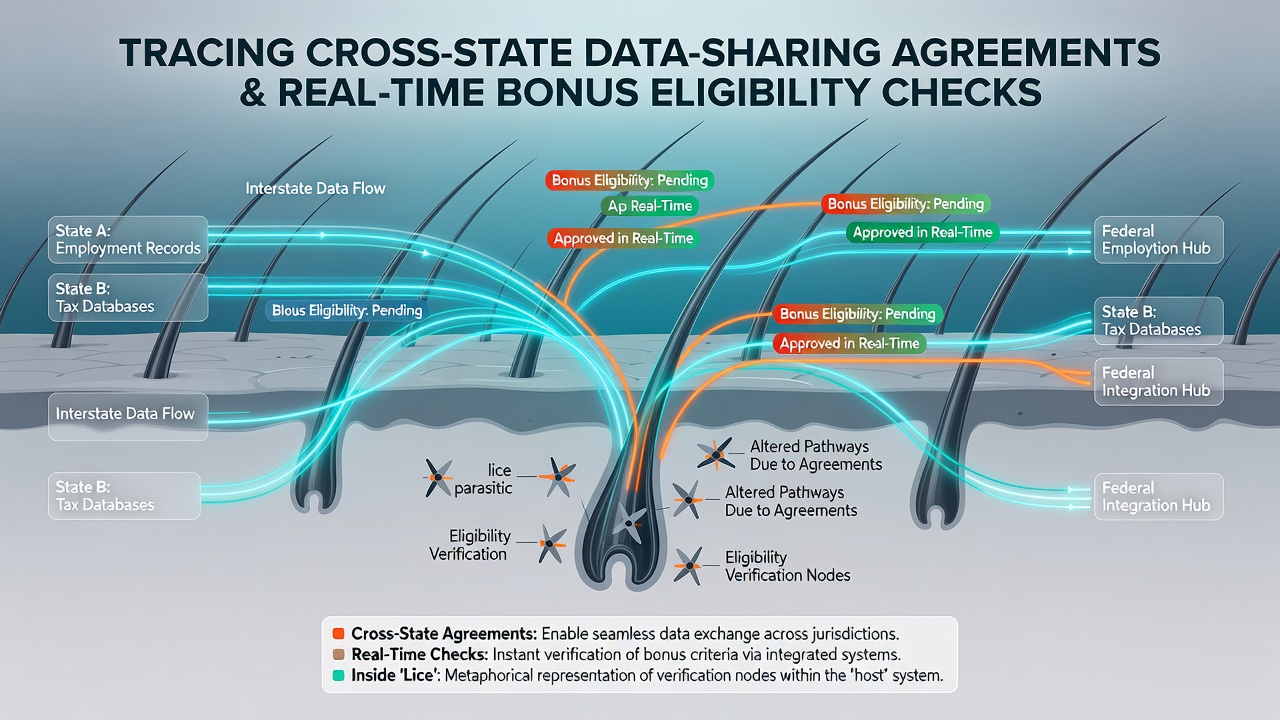
Operational Adjustments by Licensed Operators
Platform teams have rewritten their bonus-promotion modules to treat shared-state responses as immutable facts rather than suggestions. When the compact returns a “restricted” status, the app withholds the offer and surfaces a generic message citing jurisdictional limits. This approach prevents the operator from inadvertently violating any single state’s rules while still delivering a consistent user experience. Companies that once maintained separate bonus pools per state now consolidate those pools behind a unified eligibility layer that reads from the shared database first. The change has allowed marketing departments to run nationwide campaigns without creating state-specific landing pages for every promotion.
Technical and Compliance Considerations
Encryption standards mandated by the compact require AES-256 in transit and at rest, and each query must carry a unique nonce that expires after five seconds. Developers therefore batch eligibility checks during low-traffic periods to reduce latency spikes, while peak hours see individual calls routed through redundant gateways. Compliance officers review exception logs daily because even one mismatched record can trigger an audit from multiple state regulators simultaneously. Research published by the University of Nevada, Las Vegas International Gaming Institute tracks these exception rates and finds they remain below one percent of total queries when all participating states maintain synchronized rule sets.
Conclusion
Cross-state data-sharing agreements have become a core component of real-time bonus eligibility systems inside licensed U.S. wagering apps. The technical infrastructure that supports these pacts now determines whether a promotion appears, how quickly it credits, and whether a user can redeem it at all. As additional states sign on and existing members refine their data fields, the checks will continue to evolve, but the underlying principle remains constant: eligibility is no longer decided by a single jurisdiction in isolation.