State Licensing Complexities Driving Verification Bottlenecks in Mobile Wagering Payment Systems
Harper Wolf · May 24, 2026
State Licensing Complexities Driving Verification Bottlenecks in Mobile Wagering Payment Systems
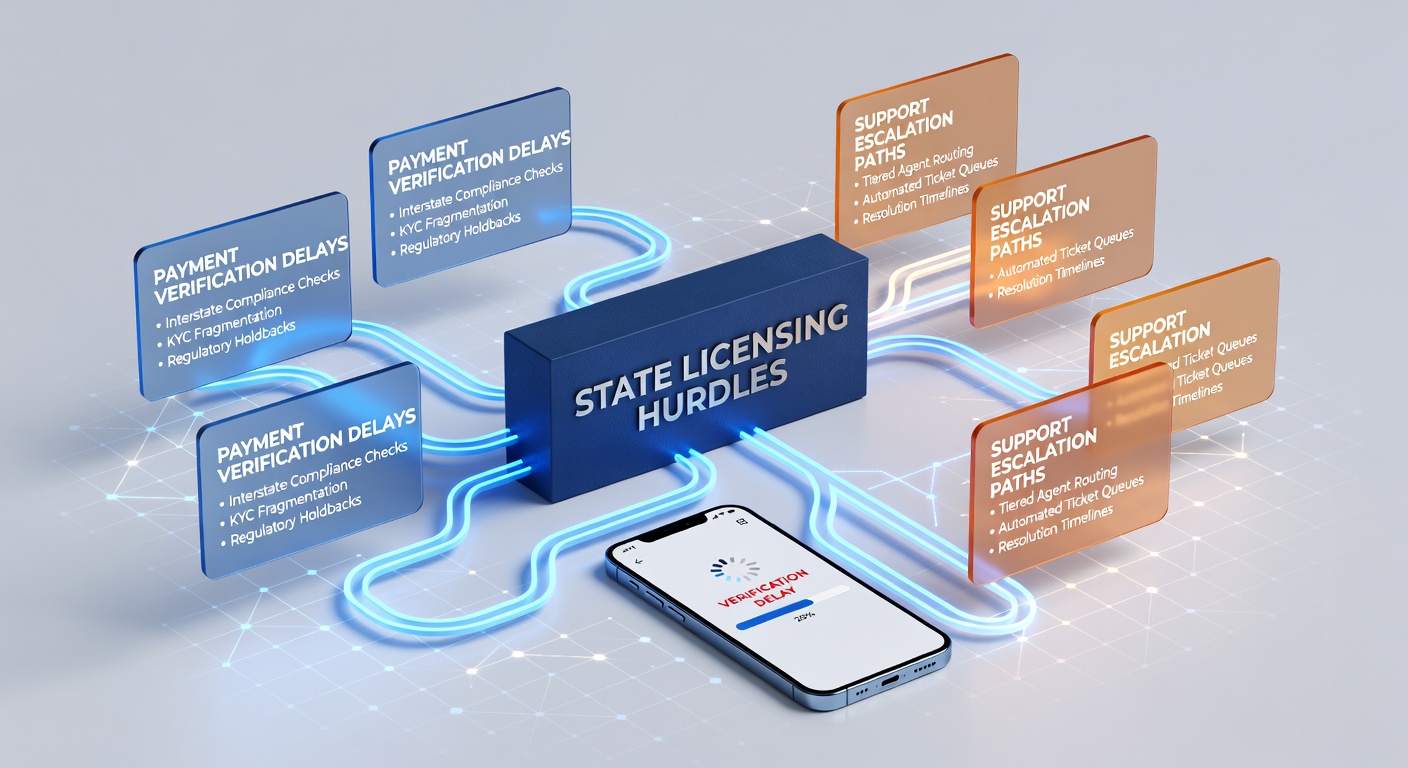
State regulatory frameworks create distinct licensing requirements that directly influence how payment processors handle verification steps in mobile wagering platforms, and these differences often extend processing times while dictating unique support escalation routes when issues arise. Operators must secure separate approvals for financial transaction handling in each jurisdiction, which means a single user's deposit or withdrawal can encounter layered compliance checks that vary from one state to the next.
Variations in State Licensing for Payment Handlers
Each state maintains its own criteria for authorizing payment service providers that integrate with licensed mobile betting applications, and these criteria shape the depth of identity checks required before funds move. In New Jersey for instance the Division of Gaming Enforcement mandates specific bonding and audit protocols for any entity processing wagers, whereas Pennsylvania's Gaming Control Board emphasizes real-time monitoring systems that link directly to state databases. Observers note that such divergences force platforms to maintain parallel verification pipelines, and this setup frequently produces delays when a transaction crosses into a state with stricter documentation thresholds.
Additional states such as Michigan and West Virginia layer their own residency verification rules onto federal anti-money laundering standards, which means a user attempting a payout may face sequential holds even after initial approval in another jurisdiction. Data from industry reports compiled through May 2026 shows that platforms operating across multiple states allocate extra resources to track these shifting requirements, and the cumulative effect appears in extended verification queues during peak betting periods.
How Licensing Rules Translate into Payment Delays
Licensing conditions often require payment processors to complete state-specific background screenings before releasing funds, adn these screenings can take anywhere from hours to several business days depending on the jurisdiction's backlog. When a mobile wagering app receives a withdrawal request, the system first confirms the user's account against the licensing authority's approved vendor list; if the processor lacks active authorization in that state, the transaction pauses until manual review occurs. Researchers at regulatory compliance firms have documented cases where users in states with newer mobile wagering laws experienced repeated verification loops because local statutes had not yet aligned with established interstate payment networks.
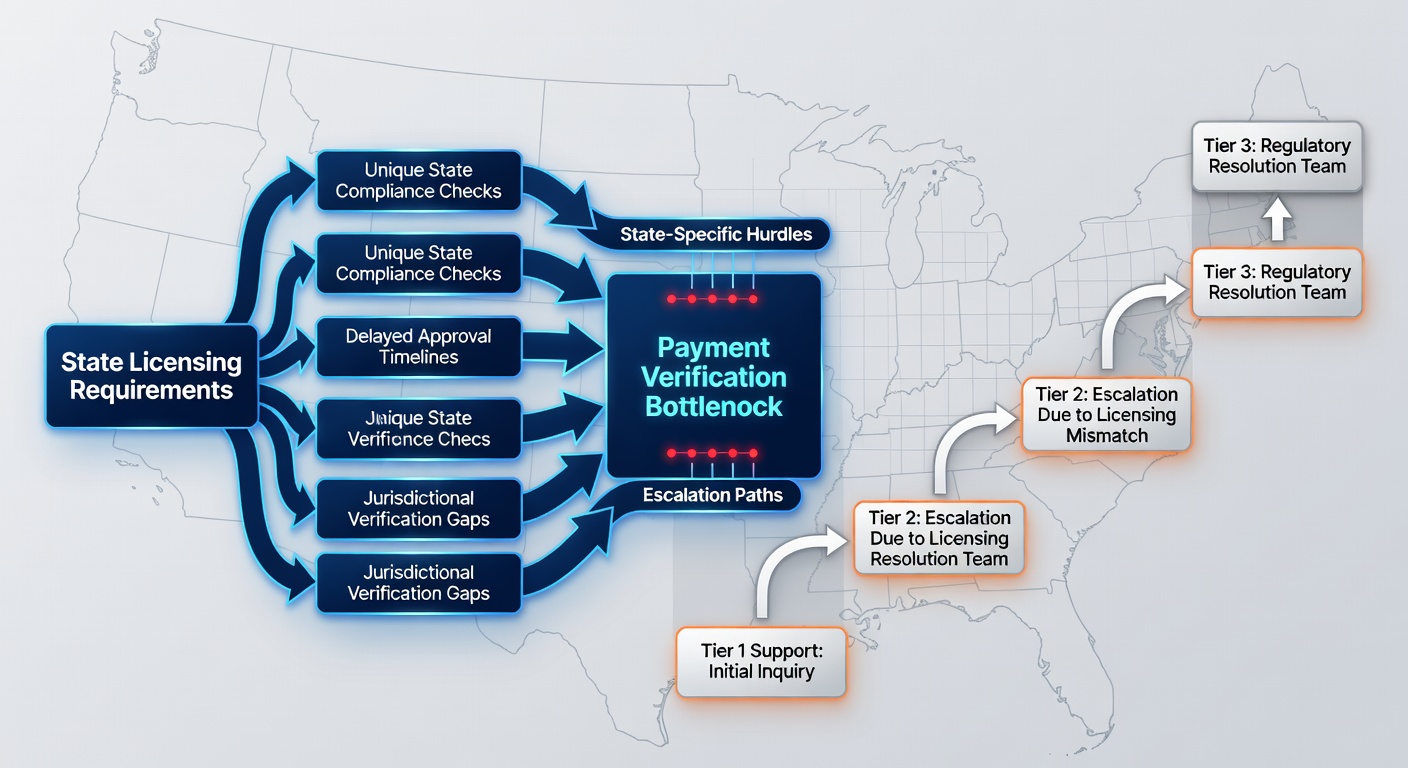
Platforms respond by routing flagged transactions through dedicated compliance teams, yet the volume of such cases has grown as more states authorize mobile wagering. Figures reveal that average verification times increased notably between late 2025 and May 2026 in markets where licensing updates introduced new financial reporting mandates. Those who manage these systems explain that the added documentation steps protect regulatory standing but also create predictable bottlenecks when user activity spikes around major sporting events.
Support Escalation Paths Shaped by State Requirements
Once a payment verification stalls, the available escalation routes differ according to each state's licensing agreements with the operator. In some jurisdictions users must first contact the platform's in-app chat, after which unresolved cases move to a state-appointed ombudsman who reviews compliance with local financial rules. Other states direct escalations straight to the gaming control board's enforcement division, bypassing intermediate platform steps and requiring formal complaint filings that reference specific license numbers.
Platforms therefore publish jurisdiction-specific help guides that outline these sequences, and users who encounter delays often discover that their chosen escalation path hinges on the state where the account was registered rather than their current location. Industry associations tracking mobile wagering trends report that clear documentation of these paths reduces repeat inquiries, while unclear guidance leads to longer resolution cycles. And because licensing renewals can alter escalation contacts without public notice, operators maintain internal databases that update faster than publicly posted materials.
Current Landscape and Cross-State Coordination Challenges
By May 2026 several states had begun exploring reciprocal recognition agreements for payment processor licenses, yet full implementation remained limited. This partial coordination means a processor approved in one state may still require separate validation when serving users in another, and the resulting paperwork duplication contributes to the observed verification slowdowns. Academic studies on regulatory fragmentation highlight how such arrangements affect smaller operators more severely than large national brands that maintain dedicated compliance staff in every active market.
Users benefit when platforms integrate state-specific prompts directly into the payment flow, prompting required documents before submission rather than after delays begin. Those managing customer support teams note that proactive communication about expected timelines, tied to each state's licensing calendar, helps set accurate expectations and reduces escalation volume. External data sources such as New Jersey regulatory filings and reports from the Pennsylvania Gaming Control Board continue to serve as reference points for tracking these evolving requirements across regions.
Conclusion
State-specific licensing hurdles continue to define the pace of payment verifications and the structure of support escalation in mobile wagering ecosystems, and the patterns observed through May 2026 underscore the ongoing need for precise cross-jurisdictional coordination. Platforms that align their internal processes with each state's distinct rules achieve smoother transaction flows, while those attempting uniform approaches encounter repeated friction. The interplay between licensing conditions, verification protocols, and escalation mechanisms therefore remains a central factor shaping user experience in this regulated environment.