Regulatory Shifts Reshaping Fund Transfer Options Within Multi-Jurisdictional Betting Environments
Otto Hayes · Jun 5, 2026
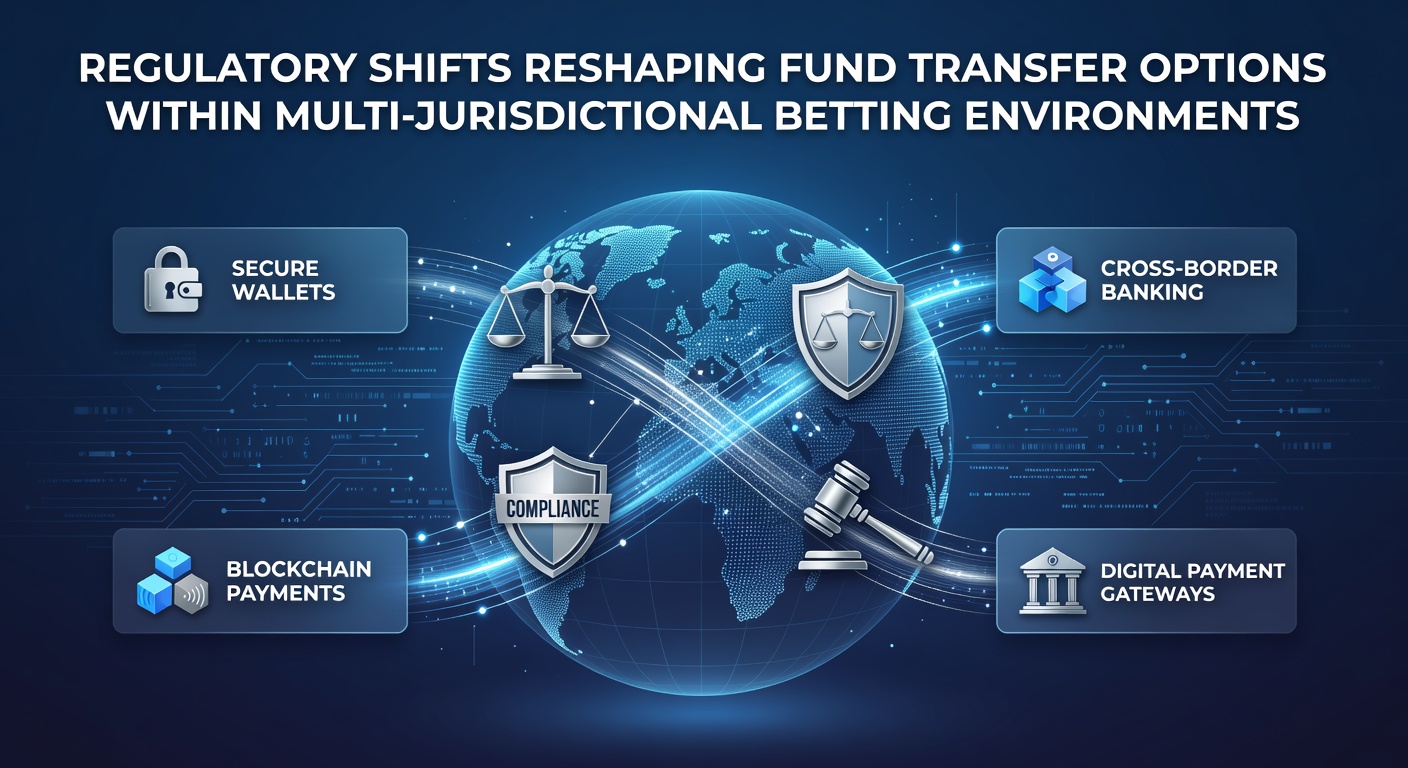
Regulatory Shifts Reshaping Fund Transfer Options Within Multi-Jurisdictional Betting Environments
Regulatory changes across borders have started altering how operators handle deposits and withdrawals in betting environments that span multiple jurisdictions, and data from industry tracking shows these adjustments accelerating through early 2026. Jurisdictions in North America and Europe have introduced updated compliance layers that affect everything from processor selection to settlement times, while operators adjust their internal systems to maintain licensing across regions.
Cross-Border Compliance Layers and Payment Routing
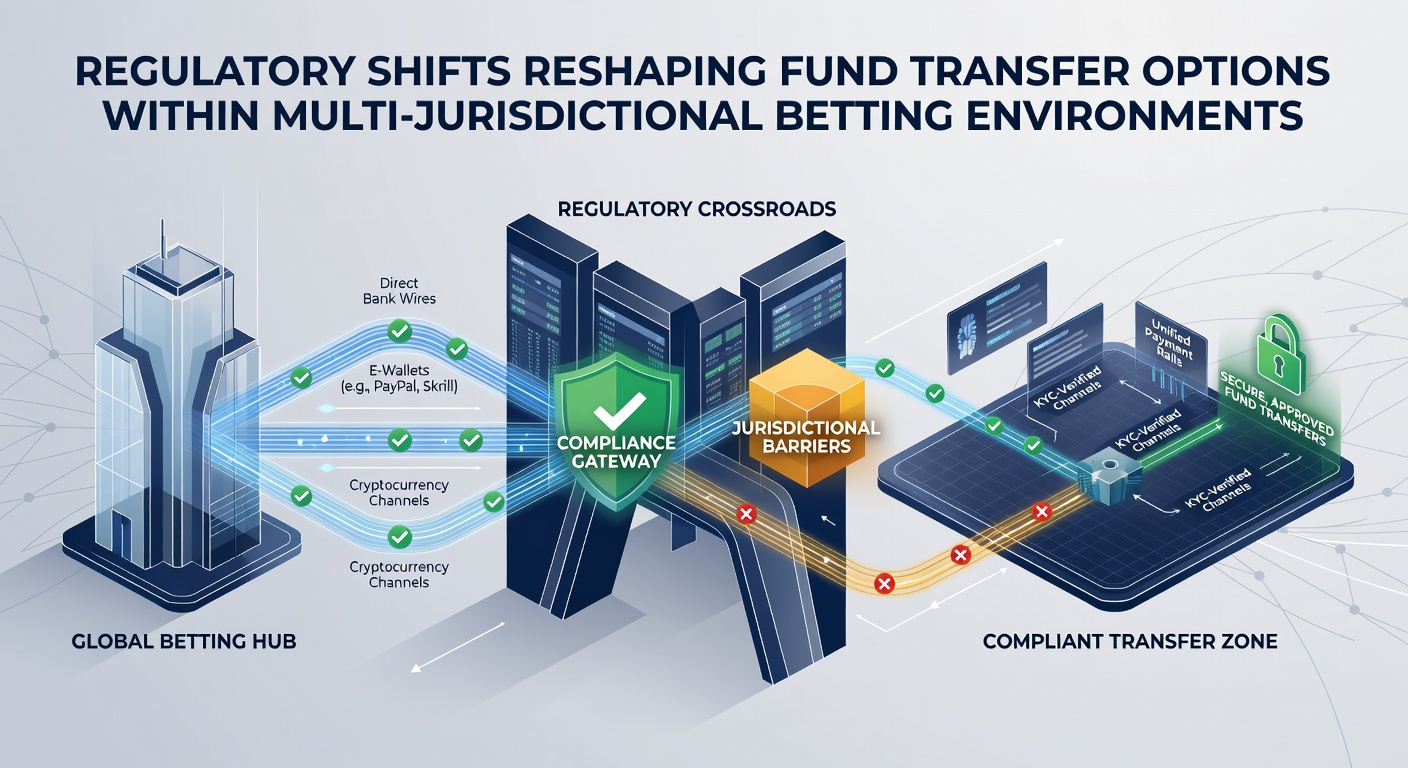
Operators managing platforms in several U.S. states alongside European markets now route transfers through jurisdiction-specific processors that meet local anti-money laundering thresholds, and this practice gained momentum after several states aligned their rules with federal guidelines in late 2025. In practice, a single user account might trigger separate verification sequences depending on the location of the wager, which forces platforms to segment transaction flows rather than use unified rails for all activity.
What's interesting here is how these segmented flows interact with emerging instant payment frameworks. Data released in May 2026 by the European Banking Authority indicated that licensed operators reduced average withdrawal processing windows by 18 percent when they adopted compliant real-time rails, yet those same operators reported increased costs tied to maintaining parallel systems for non-EU traffic.
Impact on Digital Wallets and Alternative Methods
Digital wallet providers have faced new restrictions in several markets, particularly where regulators require transaction-level reporting that older wallet architectures were not built to supply. Observers note that platforms operating across Canadian provinces and U.S. borders have begun phasing out certain e-wallet options in favor of bank-linked transfers that carry clearer audit trails. This shift aligns with updates from iGaming Ontario that took effect in the first quarter of 2026, requiring operators to log source-of-funds data at the point of deposit rather than during periodic reviews.
State-Level Variations in the United States
Within the U.S., states continue to refine their own payment rules even as interstate compacts remain limited. New Jersey and Pennsylvania, for instance, now require operators to maintain separate reserve accounts for player funds that cannot be commingled with corporate operating capital, and similar provisions appear in draft legislation circulating in additional states as of June 2026. These requirements directly influence which banks and payment processors operators can engage, since many traditional financial institutions still decline to service gaming accounts under legacy policies.
One study released by the National Council on Problem Gambling in partnership with academic researchers found that verification bottlenecks increased when operators attempted to reuse the same payment processor across states with mismatched data-sharing rules. The research tracked 12 licensed platforms and recorded an average 27 percent rise in declined transactions during the first month after each new rule set went live.
Emerging Standards for Cryptocurrency and Stablecoin Transfers
Cryptocurrency options have encountered the most visible tightening. Regulators in Malta and several Australian states updated their guidance in spring 2026 to require on-chain monitoring tools that flag transfers above defined thresholds, and operators offering these methods must now integrate third-party analytics services before processing deposits. Platforms that previously accepted multiple coins have narrowed their lists to assets with established compliance histories, reducing the number of supported tokens from an average of nine to three across tracked operators.
Turns out the changes also affect payout speed claims that many platforms advertise. When stablecoin withdrawals must pass through additional screening layers, settlement times that once averaged under ten minutes now stretch to several hours in jurisdictions that mandate manual review for larger amounts.
Operational Adjustments by Licensed Operators
Operators have responded by building modular payment engines that can toggle features on or off based on the user's current jurisdiction, and this approach has become standard among larger groups that hold licenses in both Europe and North America. According to figures shared by the European Gaming and Betting Association, groups using modular systems reported 14 percent fewer regulatory queries related to fund movement during the first half of 2026 compared with those still relying on single-stack processors.
These engines also allow operators to surface jurisdiction-specific payment options at the point of deposit, which reduces the number of failed transactions that previously occurred when users selected unavailable methods. The approach requires ongoing maintenance, however, because rule updates in one market can force rapid code changes that ripple across all connected platforms.
Conclusion
Regulatory shifts continue to redefine which transfer methods remain viable in multi-jurisdictional betting environments, and operators have responded with segmented systems and selective processor partnerships. Figures from multiple regulatory bodies show measurable changes in processing times and supported methods through June 2026, while research from academic and industry groups documents the operational adjustments required to stay compliant. As additional jurisdictions finalize their frameworks, the landscape for fund transfers will likely keep evolving around these compliance demands.