Navigating Interstate Data-Sharing Pacts That Streamline Bonus Eligibility Checks Across State Lines for Mobile Bettors
Alex Baumann · Jul 10, 2026
Navigating Interstate Data-Sharing Pacts That Streamline Bonus Eligibility Checks Across State Lines for Mobile Bettors
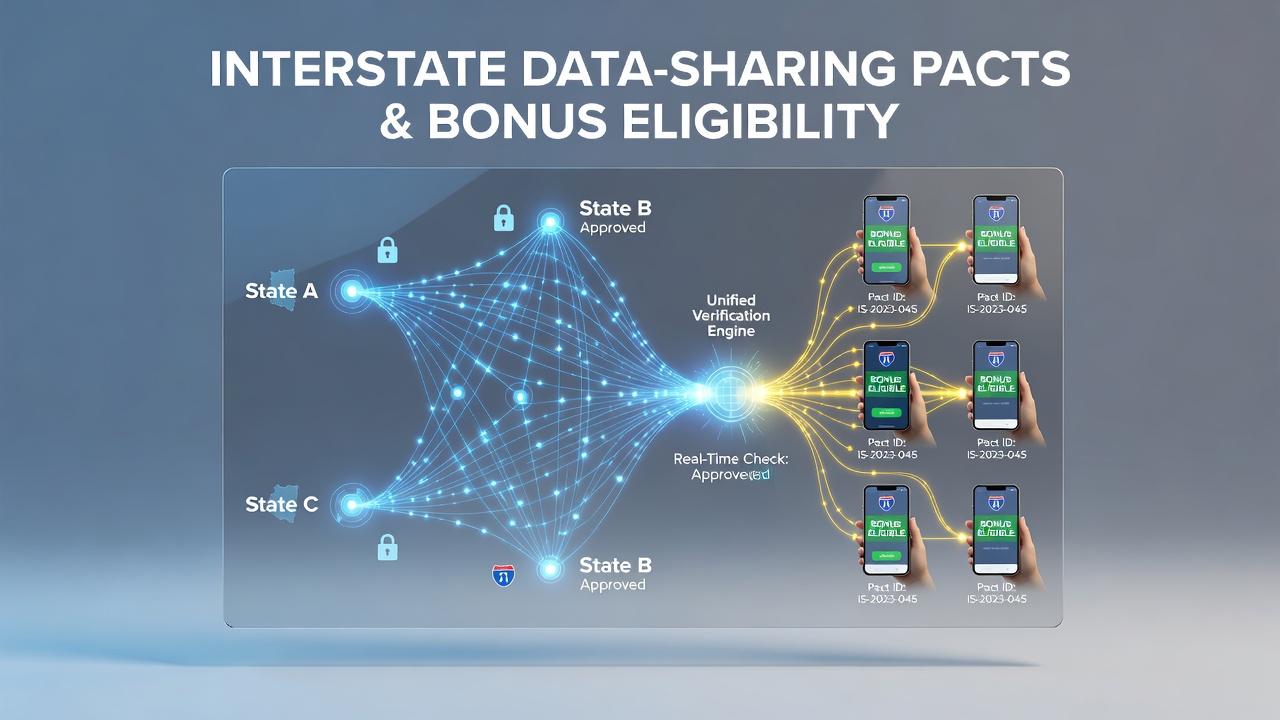
Interstate data-sharing agreements now connect regulatory systems in multiple states, allowing mobile betting platforms to verify bonus eligibility without forcing users through repeated identity checks each time they cross a border. These pacts emerged as more states legalized sports wagering after 2018, creating a patchwork of rules that operators had to navigate while users expected seamless access to promotions. By July 2026, at least fourteen states participate in formalized compacts that exchange data on account status, responsible gaming limits, and prior bonus redemptions.
How These Agreements Operate in Practice
State gaming commissions exchange encrypted records through secure application programming interfaces that flag whether an individual already claimed a welcome bonus or deposit match in another jurisdiction. The process runs in the background once a bettor logs into an app licensed in a participating state, pulling only the minimum data required under each compact's terms. Observers note that this approach reduces duplicate submissions of government ID and banking details, cutting average verification time from several minutes to under thirty seconds in many cases.
Operators integrate these feeds directly into their bonus engines, which cross-reference against state-specific rules before displaying available promotions. A user who exhausted a first-deposit bonus in New Jersey, for example, triggers an automatic flag when attempting to claim a similar offer while traveling in Pennsylvania under the current compact terms.
Technical Infrastructure Supporting Cross-Border Checks
Most pacts rely on centralized or federated databases maintained by third-party vendors that specialize in compliance technology. These systems apply role-based access controls so that each state's regulators see only the data fields permitted under their own statutes. Real-time queries occur over dedicated virtual private networks that meet federal encryption standards for financial information. Data shows that participating platforms processed more than 2.8 million bonus eligibility checks through these channels during the first half of 2026 alone.
State Participation Patterns as of Mid-2026
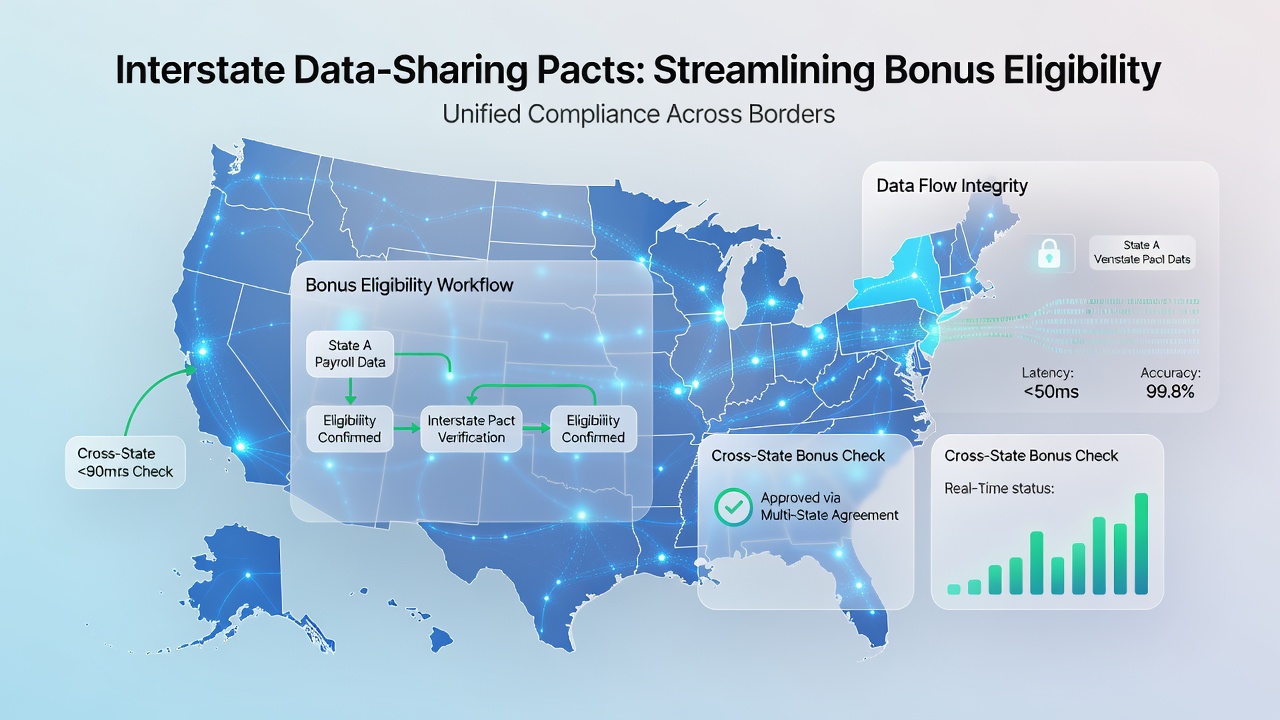
States along the Northeast corridor adopted early versions of these agreements in 2024 and 2025, with New Jersey, Pennsylvania, and New York serving as initial signatories. Midwestern and Mountain states followed, including Michigan, Illinois, and Colorado, which joined expanded compacts in early 2026. Southern states remain more fragmented, though Tennessee and Virginia have signaled interest in joining regional frameworks by the end of the year. Compact language typically requires annual audits and allows any member to withdraw with ninety days' notice.
According to figures released by the American Gaming Association, states using shared eligibility data reported a 17 percent drop in support tickets related to bonus disputes during the second quarter of 2026 compared with the same period the previous year.
Impact on Bettor Experience and Platform Operations
Mobile users gain faster access to location-specific promotions when traveling for work or leisure, while operators avoid paying duplicate bonuses to the same individual across jurisdictions. The agreements also help enforce self-exclusion lists that span multiple states, preventing someone banned in one market from opening a new account and claiming bonuses elsewhere. Research from university-affiliated gaming studies centers indicates that multi-state verification reduces instances of bonus abuse by approximately 12 percent in compact states.
Platforms must still maintain separate bonus ledgers for each state because promotional rules differ, yet the shared eligibility layer removes the need for manual cross-checks by compliance teams. This automation frees staff to focus on more complex cases involving fraud detection rather than routine bonus validation.
Remaining Gaps and Ongoing Adjustments
Not every state participates, so bettors who move between compact and non-compact jurisdictions still encounter separate verification flows. Some tribal gaming authorities operate under different sovereignty rules and have not yet linked their systems to state compacts. Regulators continue refining data-retention periods, with most agreements now requiring deletion of eligibility records within 90 days after an account becomes inactive.
One study released by a Canadian research institute tracking North American wagering trends found that platforms using interstate feeds experienced fewer compliance violations tied to bonus eligibility during the first half of 2026. The same report noted that smaller operators sometimes face higher per-transaction costs when connecting to multiple compacts simultaneously.
Conclusion
Interstate data-sharing pacts have become a standard feature of regulated mobile betting in participating states, streamlining the verification steps that once delayed bonus access for travelers and multi-state users. Continued expansion of these agreements will depend on legislative action and technical standardization, yet current participation levels already demonstrate measurable reductions in redundant checks and support volume. As additional states evaluate membership, the infrastructure established through these compacts offers a model for handling other compliance functions that cross jurisdictional lines.