Navigating Color-Coded Risk Indicators in Mobile Wagering Interfaces and Their Influence on Decision Patterns Across Jurisdictions
Alex Hayes · Jul 24, 2026
Navigating Color-Coded Risk Indicators in Mobile Wagering Interfaces and Their Influence on Decision Patterns Across Jurisdictions
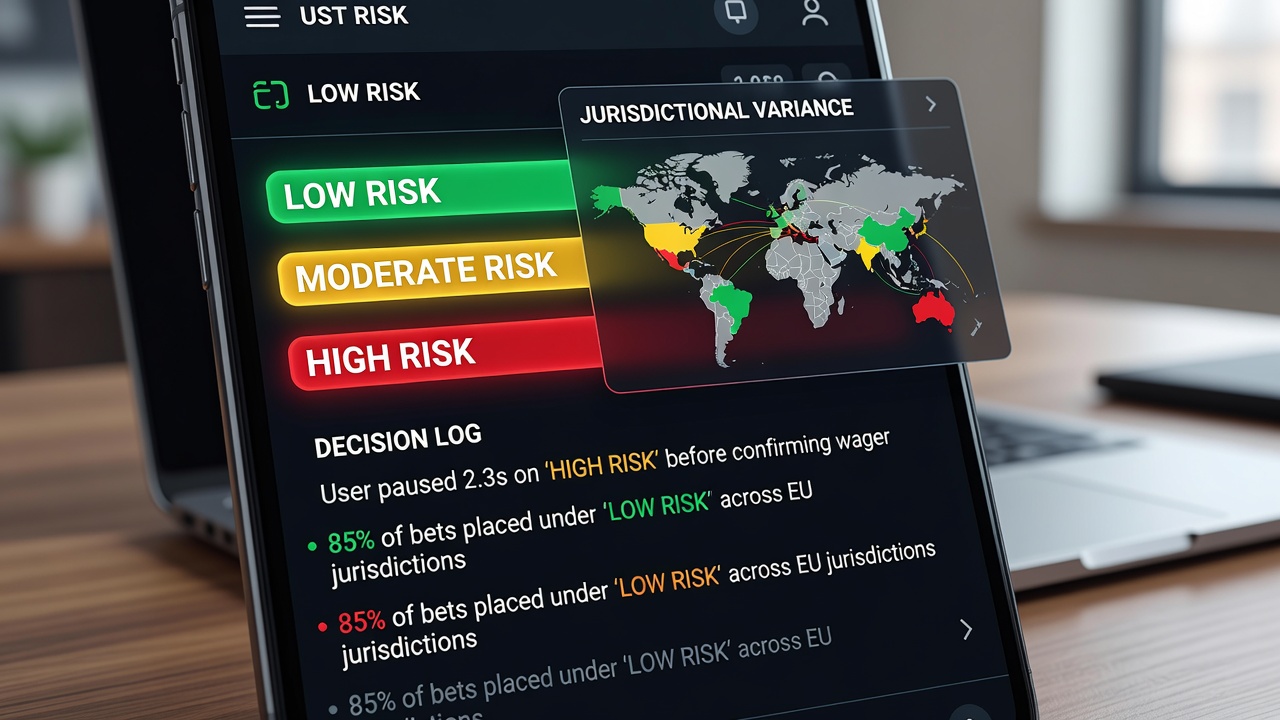
Color-coded risk indicators appear in many mobile wagering applications as visual cues that range from green for lower-risk options through yellow to red for higher-risk bets, and operators deploy these tools to highlight potential exposure levels while users select wagers in real time.
Core Mechanics of Risk Indicators
Developers integrate these systems into app interfaces so that algorithms calculate metrics such as volatility, historical payout rates, and session duration then translate the results into color assignments that update dynamically as users adjust stake amounts or add selections to parlays. Studies from research institutions show that color placement near the bet confirmation button leads players to pause more often when red appears, whereas green displays correlate with quicker confirmations across multiple tested platforms.
Jurisdictional Variations in Implementation
Regulators in different regions set distinct requirements for these indicators, with some mandating their presence on every in-play screen while others treat them as optional features that operators may customize. In Canadian provinces such as Ontario, licensing rules require real-time updates tied to player account data, and authorities monitor compliance through periodic audits that verify color accuracy against predefined thresholds. Australian state frameworks emphasize integration with harm-minimization tools, so color shifts often link directly to deposit limit alerts, and data from industry reports indicate this linkage produces measurable drops in average bet frequency during extended sessions.
Within the United States, state-by-state differences stand out clearly, since Nevada and New Jersey require prominent display of risk colors on mobile interfaces while other markets leave the design to operator discretion provided basic responsible gambling messaging appears. Observers note that multi-state operators adjust color sensitivity parameters per jurisdiction to align with local statutes, and this practice creates varied user experiences even within the same application when users cross state lines.
Observed Effects on User Decision Patterns
Research indicates that exposure to red indicators reduces the likelihood of placing high-volatility bets by noticeable margins in controlled trials, while green indicators correlate with sustained engagement in lower-stakes markets. A 2025 analysis of anonymized transaction logs from licensed platforms revealed that users who encountered frequent yellow warnings adjusted their stake sizes downward more consistently than those who saw fewer alerts, and the pattern held across both desktop and mobile sessions.

European data collected under varying national rules further illustrates these effects, with platforms in Malta and Sweden demonstrating that mandatory color prompts tied to loss-limit trackers produce earlier session terminations compared with markets where such prompts remain voluntary. Academic papers published through university gambling studies programs document that decision latency increases when red appears, giving users additional moments to reconsider before final confirmation.
Technical Integration and Data Partnerships
Third-party analytics providers supply the underlying models that power color assignments, and operators combine these feeds with real-time account monitoring to refine accuracy. As of July 2026, several platforms updated their risk engines to incorporate biometric session data, allowing colors to reflect not only bet characteristics but also login frequency and time-of-day patterns. This evolution stems from regulatory pushes in multiple jurisdictions that encourage proactive harm reduction through interface design rather than post-session reporting alone.
Operators report that color calibration requires ongoing tuning because player demographics differ by region, and algorithms trained on one market’s data sometimes underperform when applied elsewhere without adjustment. Government agencies in Canada and Australia have begun requesting aggregated color-interaction statistics as part of routine compliance reviews, which helps regulators assess whether current thresholds effectively guide behavior without stifling legitimate wagering activity.
Cross-Border Comparisons and Emerging Standards
International comparisons highlight that jurisdictions with stricter color mandates tend to record lower average session lengths in public datasets, although causation remains difficult to isolate from other variables such as advertising restrictions or tax rates. Trade associations have started discussing harmonized guidelines that could standardize color meanings across borders, yet implementation timelines vary and no single framework has achieved widespread adoption as of mid-2026.
Users who operate accounts in multiple jurisdictions often encounter inconsistent color logic, and this inconsistency can produce confusion when the same bet type receives different color assignments depending on the licensed platform. Industry organizations track these discrepancies through member surveys, and the resulting reports feed into ongoing conversations about best practices for interface consistency.
Conclusion
Color-coded risk indicators continue to evolve as both a compliance tool and a behavioral influence mechanism, with their design and deployment shaped by the specific regulatory environment in each jurisdiction. Data collected through 2026 shows measurable associations between indicator visibility and shifts in betting volume or session duration, yet the magnitude of those shifts depends heavily on local rules, technical integration quality, and user familiarity with the system. Ongoing monitoring by regulators and researchers will determine how these visual cues develop alongside other responsible gambling features in the years ahead.