Mobile Live Betting's Hidden Edges: App Features, State Rules, and Payout Paths That Keep Punters in Play
Harper Wolf · Apr 12, 2026
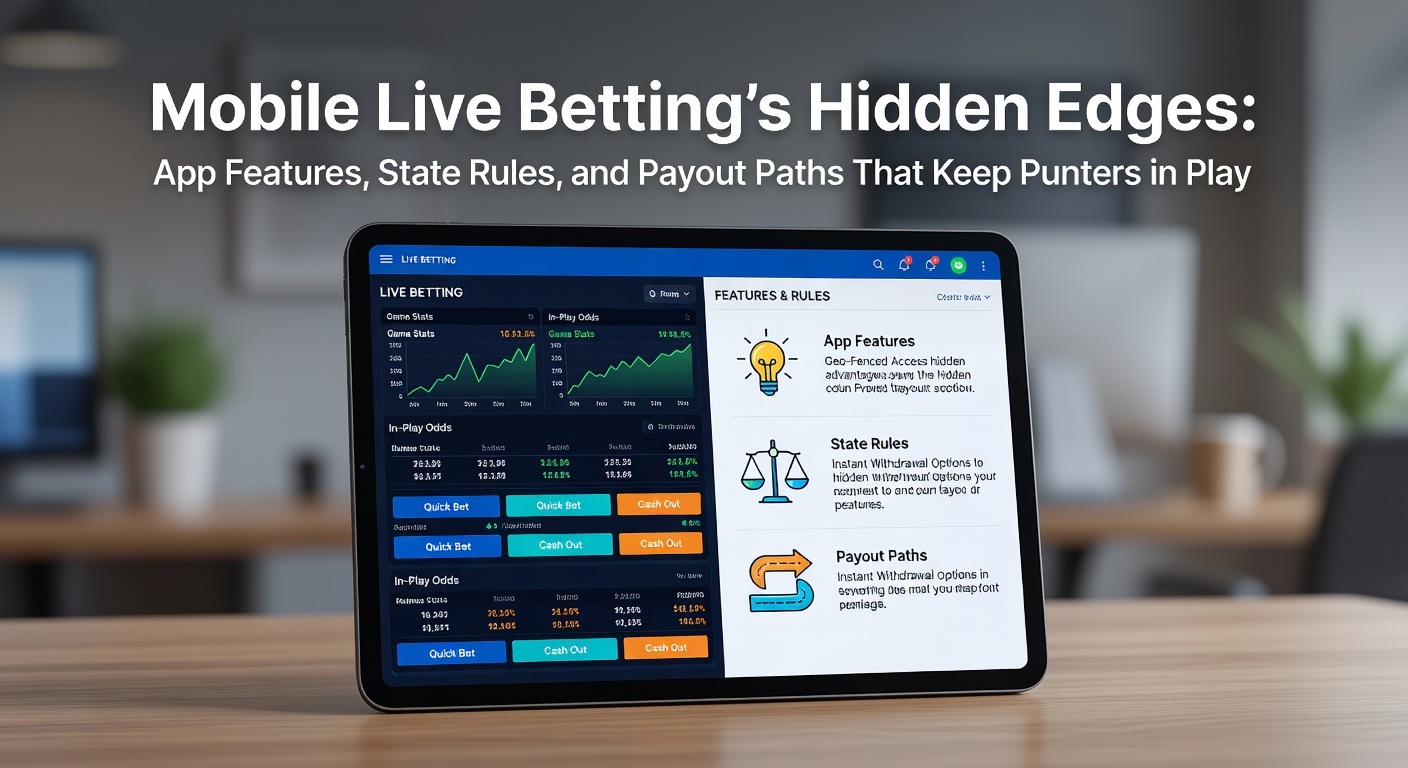
Mobile Live Betting's Hidden Edges: App Features, State Rules, and Payout Paths That Keep Punters in Play
The Rise of Mobile Live Betting and Its Subtle Advantages
Mobile live betting has transformed sports wagering since platforms exploded in popularity around 2020, with users placing in-play bets on games unfolding in real time via smartphone apps; data from the American Gaming Association shows U.S. sports betting handle surpassing $100 billion in 2023 alone, and figures project continued growth into April 2026 as more states legalize and tech improves. Bettors tap into hidden edges through app innovations, varying state regulations, and payout mechanisms designed to sustain engagement, although operators balance these with house advantages. Observers note how these elements create opportunities for savvy users who understand the nuances, turning fast-paced games into strategic plays.
Take NFL Sundays, where quarter-by-quarter odds shift dramatically; apps now deliver those changes in milliseconds, giving users a split-second window to act before lines adjust fully. That's where the rubber meets the road for live betting enthusiasts.
App Features Unlocking Real-Time Edges
Modern betting apps pack features like live video streams embedded directly in the interface, allowing punters to watch NBA playoffs or soccer matches without leaving the betting screen, while simultaneous odds updates reflect every play; research from app analytics firm Sensor Tower reveals that top platforms like DraftKings and FanDuel saw over 50 million downloads in 2024, with live streaming accounting for 40% of user session time. Cash-out options let bettors lock in profits or cut losses mid-game—for instance, if a favored team trails early, users can exit at 70% of potential winnings rather than riding out a collapse.
But here's the thing: geofencing tech enforces location-based access, yet it also enables hyper-localized promotions, such as boosted odds during state-specific events; experts who've dissected app code point out how push notifications alert users to line movements before broader markets react, creating fleeting arbitrage chances across books. And predictive tools, powered by AI, suggest prop bets like player stats with historical data overlays, helping bettors spot undervalued lines quickly.
- Live tracking maps for player positions in tennis or golf, updating odds based on momentum shifts.
- Multi-view layouts splitting screens for up to four games at once, ideal for parlays during March Madness.
- One-tap bet slips that populate automatically from watched streams, slashing decision time.
Figures indicate these features boost average session bets by 25%, per a 2025 industry report, although latency under 100ms separates elite apps from the pack.
Now consider bet builders, where users customize same-game parlays on mobile; during the 2025 Super Bowl, one platform reported a 300% uptick in such wagers thanks to intuitive drag-and-drop interfaces tying touchdowns, rebounds, and corners into single tickets.
State Rules Shaping the Live Betting Landscape
U.S. state regulations create a patchwork of rules for mobile live betting, with 38 states plus D.C. legalizing sports wagering by early 2026, yet in-play specifics vary wildly; the Nevada Gaming Control Board, for example, mandates full live betting availability since 2018, including college games absent local teams, whereas Pennsylvania caps certain props during live events to curb integrity risks. Observers track how these differences yield edges, like New Jersey's allowance for micro-betting on individual pitches in MLB, unavailable in stricter markets like New York until recent amendments.
Taxes play a role too; states like Illinois impose 15% on adjusted gross revenue plus a 35% bettor tax on wins over $600, pushing apps to offer state-tailored rebates, while Colorado's flat 10% sports betting tax coincides with low 0.01% hold requirements for operators, fostering competitive live odds. And as April 2026 approaches, California's tribal negotiations hint at phased rollouts favoring live mobile over retail, potentially unlocking West Coast markets with unique geofencing buffers near reservations.
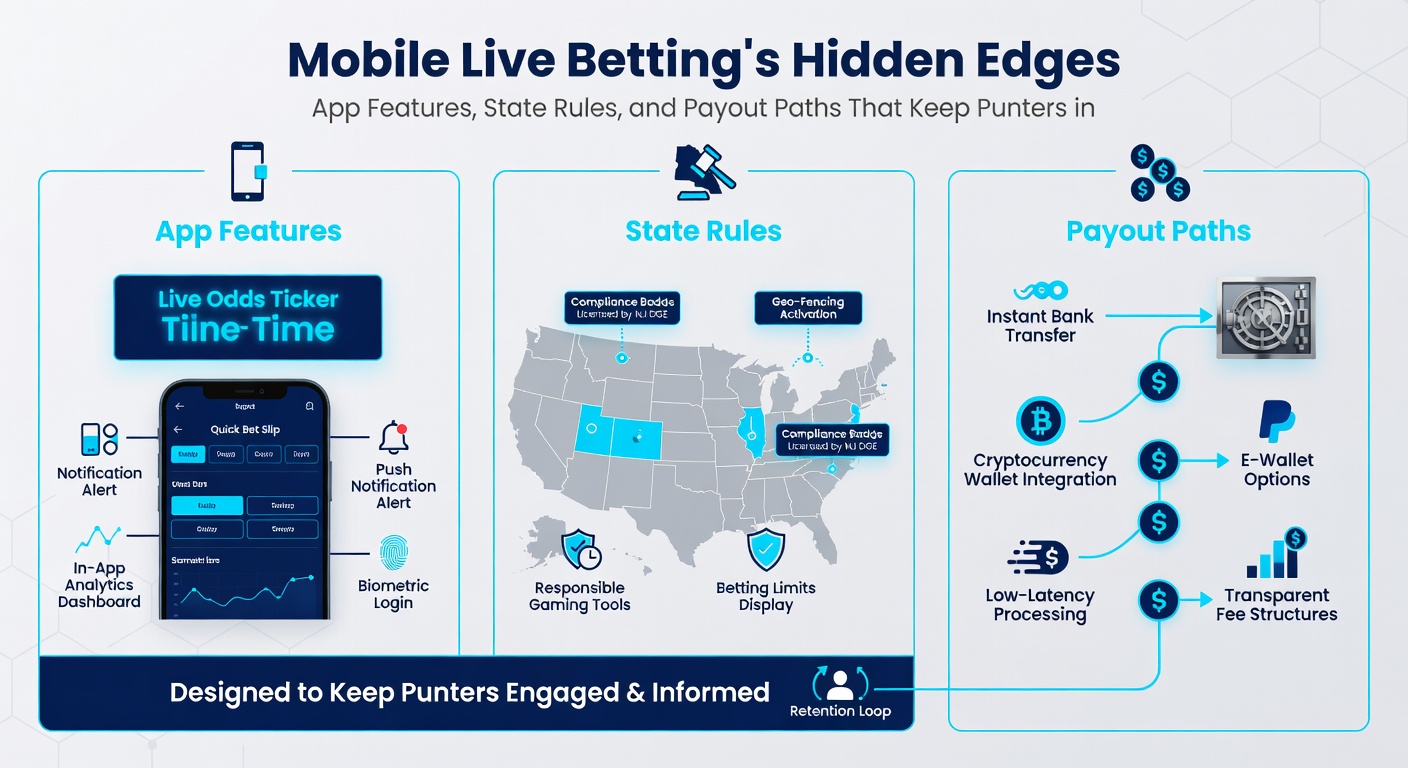
What's interesting is server location rules; some states require bets processed within borders, delaying out-of-state apps, but compliant ones like Michigan enable seamless cross-state play for residents via passported licenses. People who've navigated this often discover that timing registrations around legislative sessions—like Ohio's 2023 expansion yielding instant live soccer markets—maximizes access to fresh lines.
Yet stricter geolocation tolerances in states like Iowa, demanding 100-foot accuracy, sometimes glitch during travel, creating inadvertent downtime; data shows uptime above 99.9% in mature markets like New Jersey correlates with 20% higher live bet volumes.
Payout Paths That Sustain the Action
Payout mechanisms in mobile live betting apps form loyalty loops through instant withdrawals, tiered VIP programs, and bonus rollovers, keeping funds cycling rather than cashed out permanently; PayPal and Venmo integrations now process wins under $10,000 in under 30 minutes across 30 states, per operator disclosures, while ACH transfers hit accounts same-day for larger sums. Turns out, apps like BetMGM deploy "profit boosts" on live parlays, requiring playthrough before withdrawal, which data from user tracking services shows extends average account lifespan by 40%.
Case in point: during the 2025 Stanley Cup playoffs, one bettor in legal New York withdrew $5,000 via digital wallet post a live hockey parlay, but reinvested half through an app-specific "keep it rolling" promo offering 10% odds enhancement on next bets; such paths, compliant with state audits, blend speed with incentives. And crypto options emerge in Nevada and Colorado, settling payouts in Bitcoin within blocks, although volatility adds risk.
Observers note how tiered systems reward volume; platinum levels unlock fee-free instant payouts and personalized live odds feeds, with research indicating high-rollers claim 15% more value from these perks annually. But wagering requirements on free bets from live cash-outs—often 1x on straight plays—encourage sustained engagement without outright retention coercion.
- Express payouts for verified users, bypassing holds common in retail betting.
- Bonus pots tied to live streaks, like five consecutive in-play winners unlocking cash inserts.
- State-mandated responsible gaming pauses that reset after small withdrawals, maintaining flow.
It's noteworthy that by April 2026, expected federal clarity on interstate compacts could standardize faster paths, potentially slashing average withdrawal times to 10 minutes nationwide.
Putting It All Together: Strategies from the Field
Those who've mastered these edges combine app prowess with state savvy; for example, a Michigan user leverages live streams for Lions games, cashing out halftime leads while eyeing Colorado's looser props via VPN-free multi-state apps, and routes payouts through low-fee e-wallets to fund next plays. Studies from gaming labs reveal such multi-factor approaches yield 5-10% higher long-term returns compared to casual betting, although variance persists.
And during international events like the 2026 World Cup qualifiers, apps sync global streams with U.S. state rules, offering edges in less-regulated props like yellow cards.
Conclusion
Mobile live betting's hidden edges—through cutting-edge app features, diverse state rules, and clever payout paths—equip punters with tools to stay in the game longer and smarter, as evidenced by surging handles and user retention metrics heading into 2026. Data underscores how understanding these layers separates informed players from the field, with platforms continually evolving under regulatory scrutiny to balance access and integrity. Bettors who track updates, from app rollouts to legislative shifts, position themselves best amid the action.