Mapping Secure Transaction Pathways to Instant Helpdesk Interventions Across State-Regulated Mobile Wagering Platforms
Alex Baumann · May 17, 2026
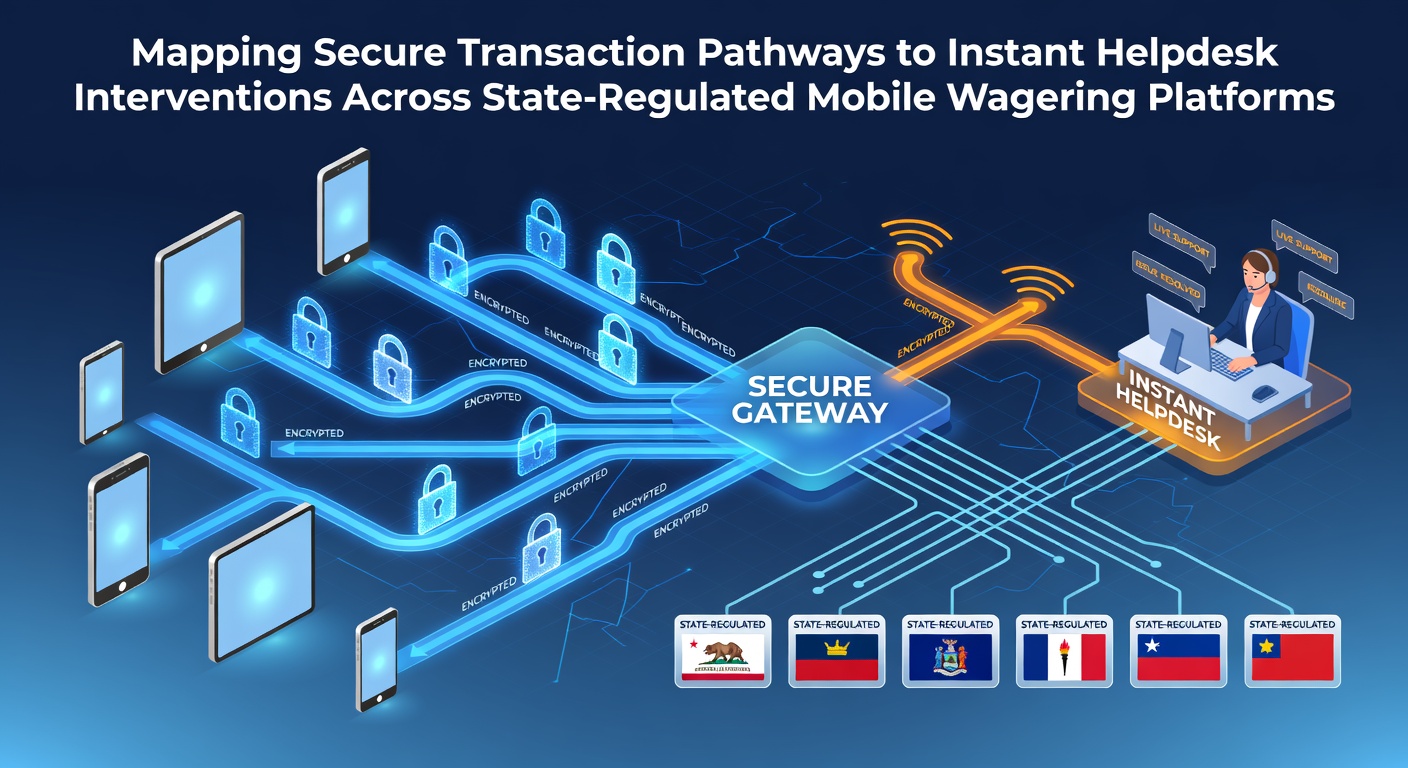
Mapping Secure Transaction Pathways to Instant Helpdesk Interventions Across State-Regulated Mobile Wagering Platforms
State-regulated mobile wagering platforms have developed intricate systems that link every financial movement to rapid support responses, and these connections have grown more sophisticated by May 2026 as operators adjust to updated compliance standards across multiple jurisdictions. Transaction pathways typically begin with encrypted authentication layers that verify user identity before any funds transfer occurs, while backend monitors scan for anomalies such as unusual withdrawal patterns or mismatched device signatures that could signal potential issues.
Core Components of Secure Transaction Pathways
Encryption protocols form the foundation of these pathways, routing data through tokenized channels that replace sensitive account details with unique identifiers valid only for a single session, and state rules in places like New Jersey and Pennsylvania require real-time logging of each step so regulators can audit flows without delay. Multi-factor verification steps sit at key junctions, requiring biometric confirmation or one-time codes sent to registered devices before large transfers proceed, which reduces exposure while maintaining speed for routine deposits and smaller withdrawals.
Integration with payment processors adds another layer where APIs connect directly to banking networks, yet these same APIs feed data streams into internal dashboards that flag deviations automatically. Observers note that platforms in Michigan and West Virginia have adopted similar frameworks since early 2025, allowing seamless scaling as new states legalize mobile access.
Regulatory Frameworks Guiding These Systems
Each state imposes distinct requirements that shape how pathways operate, with some mandating specific encryption standards and others focusing on transaction velocity limits during high-volume periods. Data from the New Jersey Division of Gaming Enforcement shows consistent growth in monitored transactions through 2026, reflecting tighter oversight that demands immediate traceability from initial bet placement to final payout.
Platforms must also maintain separation between transaction ledgers and user profiles to prevent unauthorized access, while periodic third-party audits verify that these separations hold under simulated attack scenarios. Such measures ensure compliance remains uniform even as operators expand across state lines.
Instant Helpdesk Interventions and Their Triggers
Helpdesk systems activate through predefined thresholds tied directly to transaction monitoring tools, so when a pathway detects repeated failed verifications or sudden spikes in activity from a single account, support agents receive alerts within seconds rather than minutes. These interventions often begin with automated messages that guide users through verification steps, escalating to live representatives only when patterns suggest deeper problems like suspected fraud or technical glitches during peak betting windows.
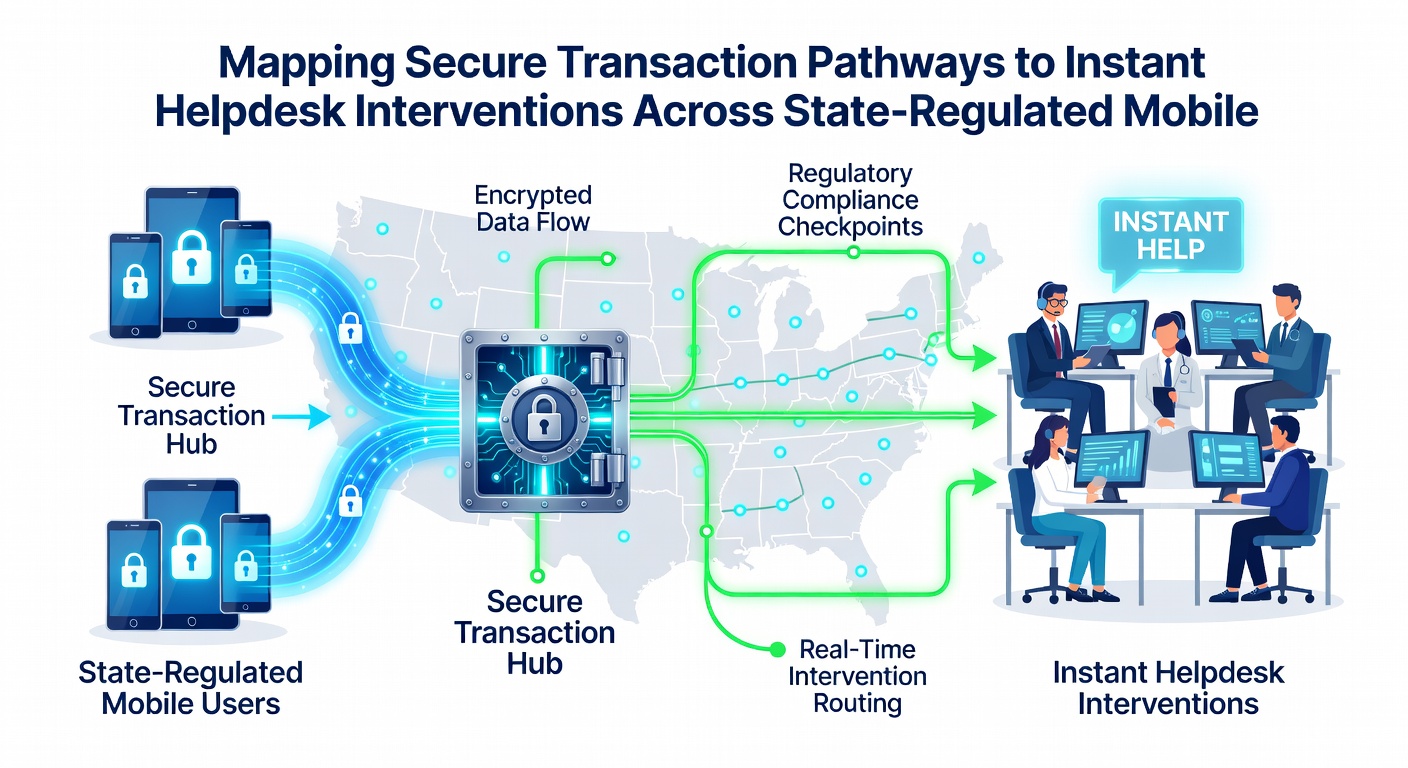
Agents access mapped logs that display the exact sequence of events leading to the alert, which lets them address issues without requesting redundant information from the user. In May 2026 several operators reported refined escalation protocols that cut average resolution times further by routing simpler queries to specialized chat modules before human involvement begins.
Mapping Techniques That Connect Pathways to Support
Technical mapping relies on event-driven architectures where each transaction milestone generates a unique identifier passed along to the helpdesk queue, creating a continuous thread that support staff can follow from start to finish. Researchers at institutions such as the University of Nevada, Las Vegas have examined how these identifiers improve accuracy during interventions, particularly when cross-referencing data across multiple state databases becomes necessary.
Automated rules engines evaluate risk scores at every junction, and low scores allow transactions to proceed uninterrupted while elevated scores pause activity and notify the helpdesk simultaneously. This dual-action approach keeps users informed through in-app notifications that explain the temporary hold and outline next steps without requiring separate contact.
Platforms also incorporate feedback loops where resolved interventions update the mapping rules for future cases, strengthening detection over time. Industry reports from groups like the American Gaming Association highlight how such iterative improvements have supported steady adoption of mobile features across regulated markets.
Current Developments Observed in May 2026
By May 2026 operators have begun testing predictive elements that anticipate intervention needs based on historical pathway data from similar user profiles, allowing preemptive outreach before issues fully surface. These tests occur alongside routine compliance checks mandated by state gaming boards in Colorado and Illinois, where expanded mobile offerings have increased overall transaction volumes.
Partnerships between platform developers and cybersecurity firms have produced enhanced visualization tools that render complex pathways as interactive maps for both regulators and internal teams, reducing the time required to trace any single event. Such tools have proven especially useful during periods of heavy betting activity when rapid clarification becomes essential.
Conclusion
Secure transaction pathways and instant helpdesk interventions continue to evolve together within state-regulated mobile wagering environments, driven by regulatory demands and technological refinements that prioritize both speed and traceability. As more jurisdictions adopt mobile frameworks, the precise mapping between these elements supports smoother operations while meeting compliance expectations set by oversight bodies across different regions. Ongoing adjustments through 2026 indicate that integration will remain a central focus for operators seeking to maintain secure, responsive platforms.