Interoperability Barriers Between Digital Wallets and State Verification Layers in Licensed Wagering Ecosystems
Wendy Neumann · Jun 14, 2026

Interoperability Barriers Between Digital Wallets and State Verification Layers in Licensed Wagering Ecosystems
Digital wallets encounter persistent compatibility issues when operators attempt to connect them with state-specific verification systems that govern licensed wagering platforms across multiple jurisdictions, and these frictions have intensified as more states expanded mobile betting access by June 2026. Payment providers must navigate varying identity confirmation protocols, geolocation mandates, and anti-money laundering requirements that differ from one regulatory environment to the next, while wallet applications often operate under their own security frameworks that do not align seamlessly with those state layers.
Core Technical and Regulatory Friction Points
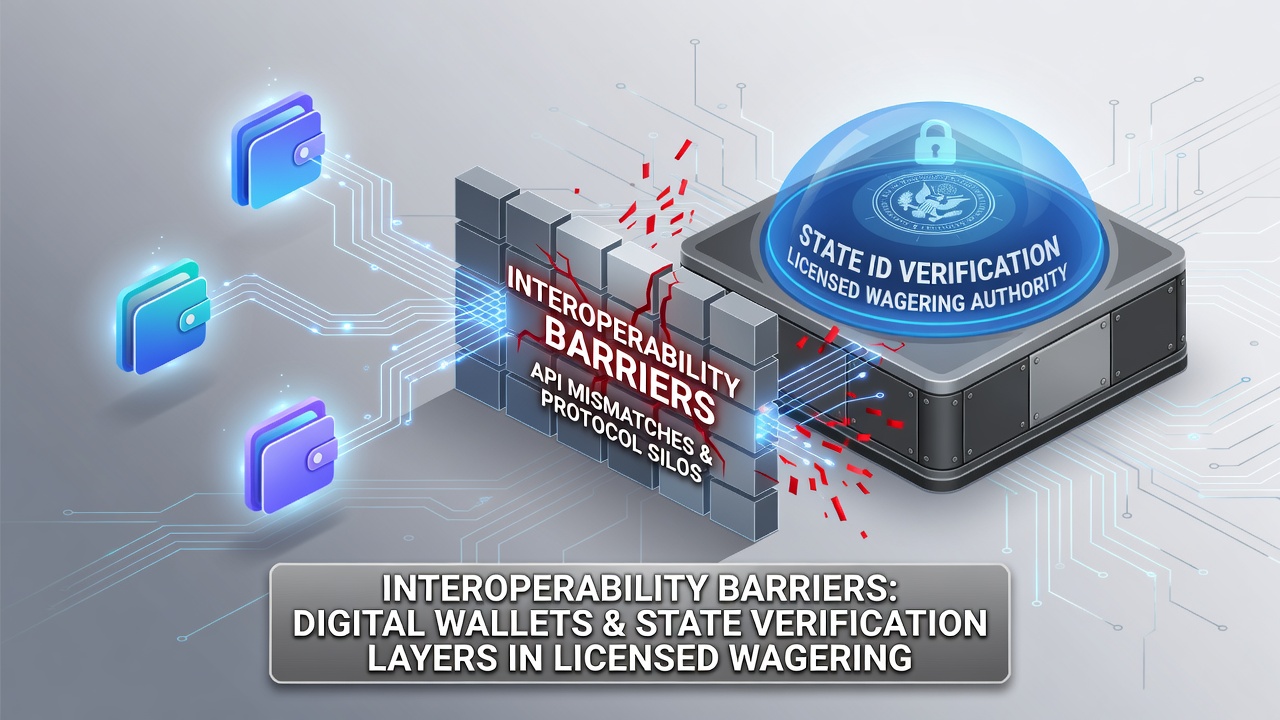
State verification layers typically require real-time checks against government-issued identification databases, address validation through third-party services, and continuous location monitoring during active sessions, yet many digital wallets prioritize user privacy settings that restrict data sharing beyond basic transaction details. Operators report that integration attempts frequently stall because wallet APIs limit the depth of information exchange needed for full compliance, and this mismatch forces users to complete separate verification steps outside the wallet environment before funds can transfer into betting accounts. Data compiled by industry monitoring groups shows that such dual-process requirements extend onboarding times by an average of 18 minutes per user in states with strict verification rules.
State-Specific Implementation Differences
Each licensed jurisdiction maintains its own set of technical standards for identity assurance and transaction monitoring, creating a patchwork that wallet providers must address individually rather than through a unified interface. In New Jersey, for instance, platforms integrate directly with state-approved identity vendors that demand specific data fields not always exposed by major wallet services, whereas Michigan and Pennsylvania impose additional encryption standards during fund movement that exceed common wallet protocols. Observers note that these variations compel developers to build custom middleware for each market, increasing both development costs and the potential for connection failures during peak betting periods.
Impact on Transaction Flows and User Experience
When a user initiates a deposit from a digital wallet into a licensed wagering application, the transaction often pauses at the verification checkpoint because the wallet cannot automatically supply the full set of credentials required by the state layer. This interruption leads to abandoned sessions in roughly 12 percent of attempts according to transaction logs reviewed by platform operators, and those who persist must switch to alternative payment methods or exit the app entirely. Research from academic institutions examining multi-state betting operations indicates that repeated verification prompts correlate with lower retention rates among users who prefer wallet-based funding for its perceived speed and convenience.
Emerging Standards and Middleware Solutions
Industry associations have begun exploring shared technical specifications that could allow wallets to transmit verified identity tokens without exposing raw personal data, and several pilot programs launched in early 2026 tested token-based handoffs between popular wallet providers and state-compliant verification engines. One study conducted through a partnership between university researchers and gaming technology firms found that standardized token formats reduced integration errors by 27 percent in controlled test environments across three states. Yet adoption remains limited because regulatory bodies in each jurisdiction must individually approve any new data exchange method before operators can deploy it at scale.
Geographic and Provider Variations
Wallet services headquartered outside the United States face additional layers of scrutiny when connecting to state systems, since cross-border data transfer rules intersect with domestic wagering regulations. Providers based in Canada and Australia have documented cases where their applications required supplemental compliance audits before receiving clearance for use in American markets, and these audits extend timelines for feature rollouts. Meanwhile, domestic wallet companies encounter fewer initial hurdles but still must customize connections for each state's unique verification database access protocols.
Conclusion
Interoperability between digital wallets and state verification layers continues to evolve through incremental technical adjustments and regulatory reviews as of June 2026, with ongoing efforts centered on tokenization and middleware development to bridge existing gaps. Figures from multiple state gaming reports reveal that successful integrations correlate with higher deposit completion rates, while persistent barriers maintain pressure on operators and providers to refine their systems. Continued collaboration among technology firms, regulatory agencies, and research organizations will determine how quickly unified solutions can replace the current fragmented approach across licensed wagering ecosystems.