How Biometric Login Systems and Real-Time ID Checks Are Reshaping User Flows for In-Play Wagers at Licensed Platforms
Alex Baumann · May 29, 2026
How Biometric Login Systems and Real-Time ID Checks Are Reshaping User Flows for In-Play Wagers at Licensed Platforms
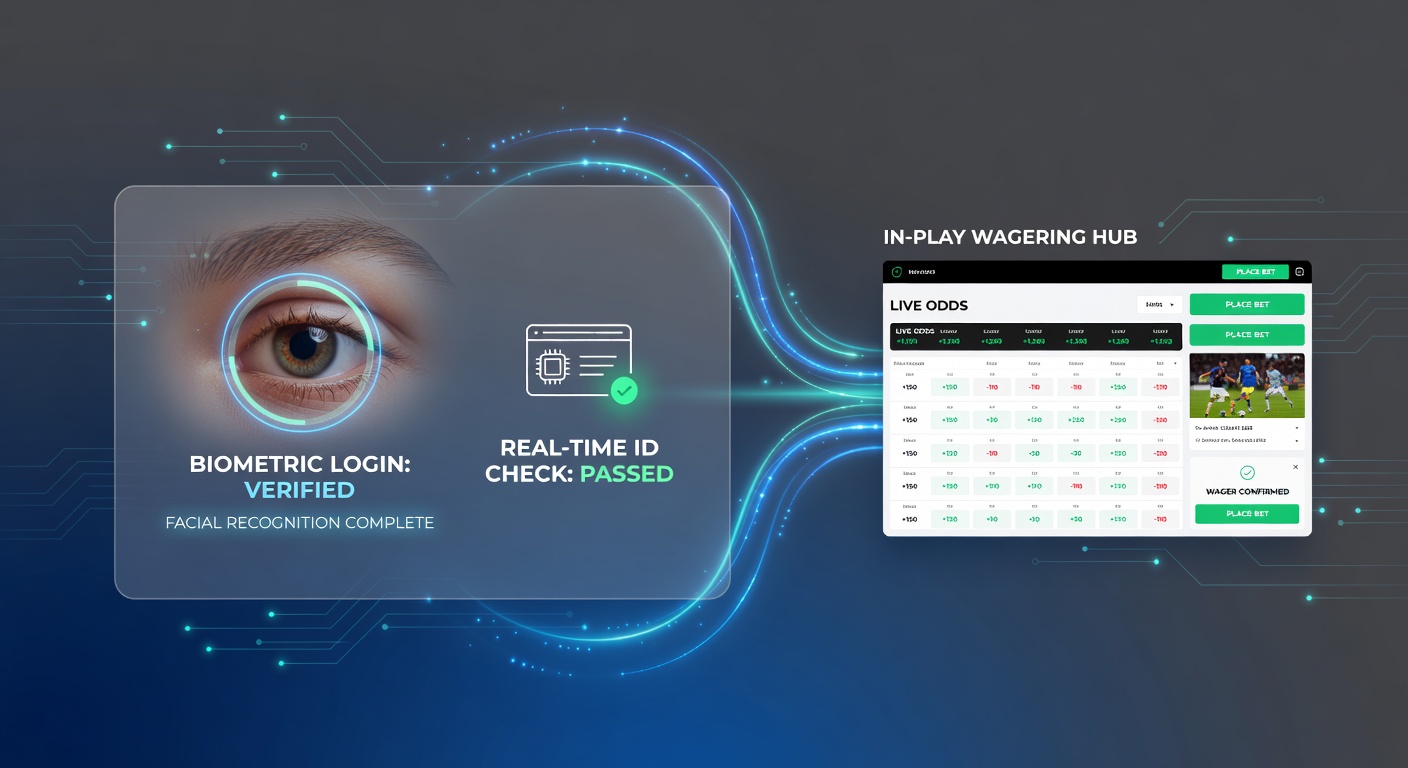
Biometric login systems now handle initial access and session re-entry on many state-licensed wagering platforms, and these tools integrate fingerprint scans, facial recognition, and voice patterns to replace traditional password entry. Users complete enrollment once through device sensors, after which subsequent logins occur in seconds while the platform confirms identity against stored templates. Real-time ID checks layer on top during live betting windows, triggering liveness detection or document cross-verification when wager amounts or account activity hit predefined thresholds.
Platforms deploy these measures to meet state regulatory requirements that emphasize continuous identity assurance, and the process reduces account takeover incidents while allowing bet placement to continue without full re-authentication cycles. In May 2026 data compiled by multiple operators showed that sessions incorporating biometric re-entry maintained higher completion rates for in-play markets compared with password-only flows.
Enrollment and Daily Access Patterns
New account creation begins with standard Know Your Customer document upload, followed by a biometric template capture that links the user's physical traits to the verified profile. Once established, the system permits quick return visits through the same device, and licensed apps prompt for periodic template refresh only when software updates or regulatory audits occur. Observers note that this setup shortens the time between opening an app and reaching active in-play odds boards.
Operators report that fingerprint and facial options now dominate over PIN codes in user preference surveys conducted across several jurisdictions, and the shift correlates with fewer abandoned carts during fast-moving live events such as basketball quarters or tennis sets. The technology operates locally on the device where possible, sending only encrypted match results to central servers to limit data exposure.
Real-Time Verification Triggers in Live Markets
During in-play wagering, algorithms monitor betting velocity, stake size, and device location signals, then initiate additional ID checks when patterns deviate from historical norms. A liveness test might require a brief facial scan that confirms the user remains present and matches the enrolled template, and this step completes in under ten seconds on most modern smartphones. Platforms integrate these checks without exiting the bet slip screen, preserving the flow from odds selection to stake confirmation.
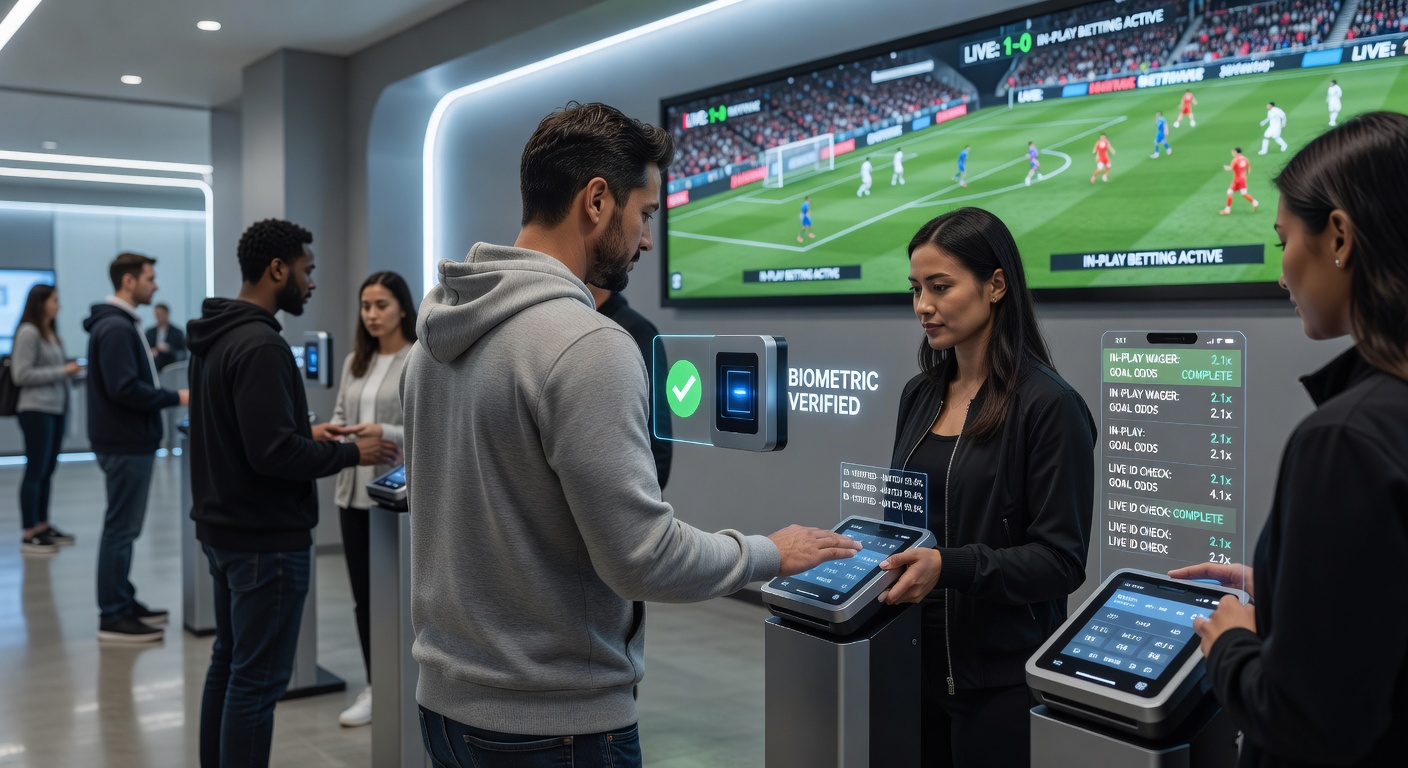
State rules in multiple markets require such safeguards for accounts that exceed daily or session limits, and the automated prompts help operators document compliance without manual intervention. Research from the University of Nevada, Las Vegas gaming laboratory indicates that integrated biometric checkpoints lowered manual review volumes by measurable percentages in controlled platform trials conducted through early 2026.
Regulatory Alignment Across Jurisdictions
Licensed platforms must satisfy varying state statutes that address both initial onboarding and ongoing session integrity, and biometric systems supply auditable logs that regulators review during periodic examinations. In New Jersey, the Division of Gaming Enforcement has accepted facial recognition records as part of routine compliance filings, while similar frameworks appear in other active states. These records demonstrate that identity remained consistent throughout a user's activity window.
Operators also reference guidelines from the American Gaming Association when designing their verification sequences, and the association's technical briefs highlight minimum standards for template storage and encryption strength. Platforms that exceed these baselines gain operational flexibility during high-volume live events.
Impact on Bet Placement Sequences
User flows now move from app launch directly to live event dashboards because biometric unlock bypasses multiple intermediate screens, and this compression matters most when odds shift rapidly in the final minutes of a match. Real-time checks insert only when necessary, so routine small-stake wagers proceed uninterrupted while larger or anomalous activity prompts extra confirmation. The result keeps more sessions active through the conclusion of in-play markets.
Device-level processing reduces latency compared with cloud-only verification methods, and users experience fewer interruptions even on variable mobile networks. Operators track these metrics through internal dashboards that compare pre-biometric and post-biometric conversion rates on identical events.
Technical Integration and Security Layers
Biometric templates remain stored within secure hardware enclaves on user devices, and platforms transmit only non-reversible hashes during server validation. When real-time checks activate, the system combines the fresh scan with session context such as IP address and geolocation to produce a composite risk score. Licensed software must meet encryption and audit requirements set by each state's regulatory body before deployment.
Updates to these systems occur through over-the-air pushes that preserve existing templates while adding new liveness algorithms, and operators coordinate rollout timing with state regulators to avoid service gaps during peak sporting calendars. The architecture supports both iOS and Android environments through standardized APIs that device manufacturers maintain.
Conclusion
Biometric login systems paired with real-time ID checks now form core components of user flows on licensed in-play wagering platforms, and these tools shorten access times while satisfying regulatory demands for continuous identity confirmation. Data collected through May 2026 shows measurable improvements in session continuity across multiple operators, and the pattern continues as more jurisdictions finalize technical standards. Platforms that align their verification sequences with both device capabilities and state rules maintain operational efficiency during live market activity.