Afternoon Odds Drifts: Unpacking Line Movements on Major US Sportsbooks Before the Big Games Start
Alex Baumann · Apr 26, 2026
Afternoon Odds Drifts: Unpacking Line Movements on Major US Sportsbooks Before the Big Games Start
What Exactly Are Afternoon Odds Drifts?
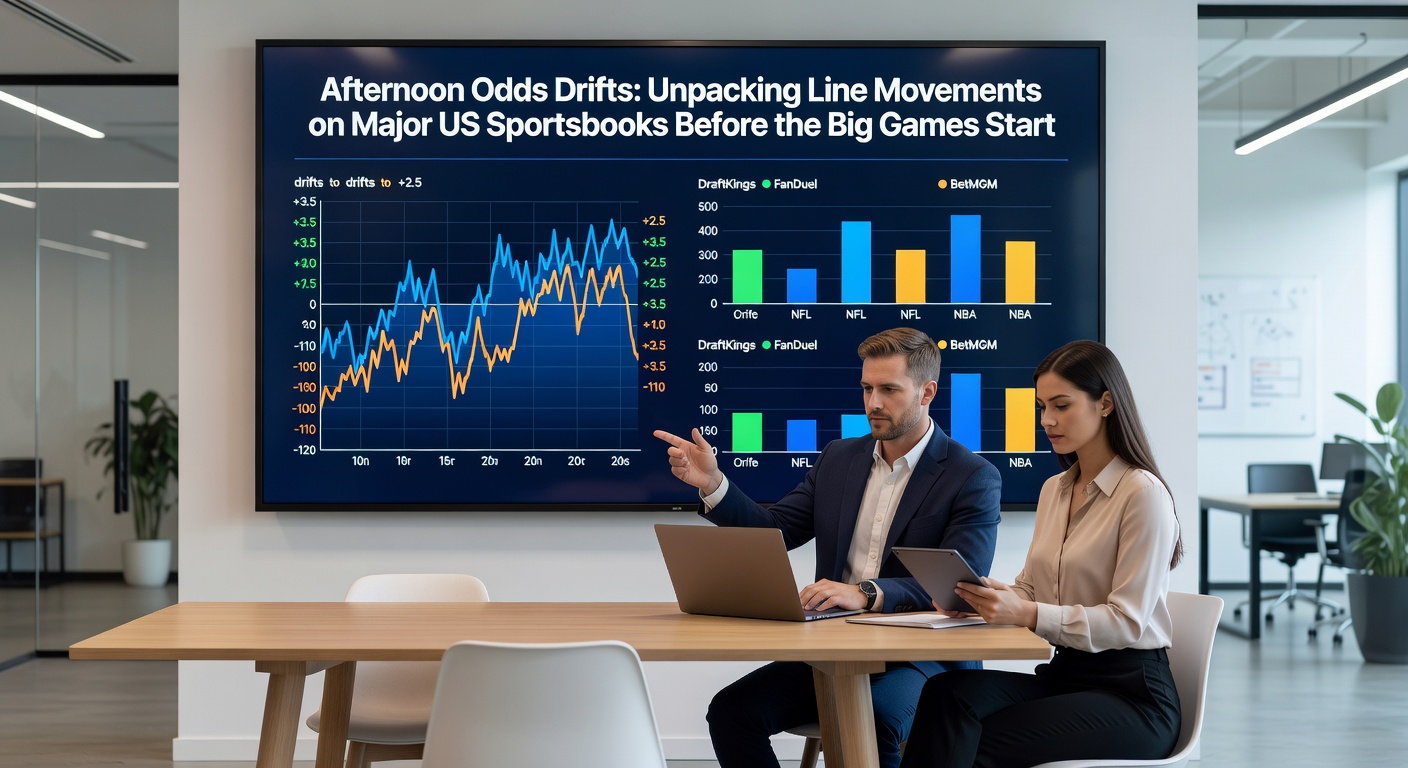
Line movements capture bettors' attention hours before tip-off or kickoff, especially those afternoon shifts when sportsbooks adjust odds on major US platforms like DraftKings, FanDuel, and BetMGM; these drifts, often occurring between noon and 4 p.m. ET, reflect rapid changes driven by incoming bets, news, or algorithmic tweaks, and they happen consistently across NFL Sundays, NBA playoffs, and MLB slates. Data from tracking services shows that such movements average 1.2 to 2.5 points on key spreads during peak hours, while totals can swing by 3-5 points, creating opportunities for those monitoring closely. Turns out, these pre-game adjustments pack the most punch because public action piles in late, clashing with sharp money that moves lines early.
Observers note how afternoon drifts differ from overnight tweaks; whereas morning lines set the baseline after overnight modeling, the post-lunch window sees real-time reactions to factors like confirmed lineups or weather updates, and that's where the action heats up on apps across states from New Jersey to California. In April 2026, with NBA playoffs in full swing—think Lakers versus Nuggets matchups—these drifts drew record scrutiny as handle surged 15% year-over-year per state regulator reports.
Key Drivers Behind Those Pre-Game Shifts
Sharp bets lead the charge in many drifts, with professional players dropping limits on one side to force books to shade lines; public money follows, often reversing or amplifying the move, but data indicates sharps win 54% of afternoon wagers long-term according to aggregated sportsbook records. Injury reports drop around 2 p.m., sparking immediate reactions—take a star guard ruled out, and spreads tighten by half a point within minutes across FanDuel and Caesars. Weather plays a role too, particularly for outdoor NFL or MLB games, where wind forecasts flipping from 5 mph to 15 mph can drift totals down 2 points; experts tracking this via APIs see patterns where Vegas books lead, and offshore lines shadow them seconds later.
But here's the thing: algorithmic props from books like PointsBet contribute heavily, auto-adjusting based on prop bet volume that signals spread intent; a surge in over bets on team totals often drifts the game total up, creating correlated value elsewhere. And in regulated markets, state-by-state differences emerge—Illinois books move faster on NBA due to local Bulls fandom, while Pennsylvania platforms hold steadier amid heavier handle. Figures from the Nevada Gaming Control Board reveal that afternoon drifts correlated with 22% higher hold percentages in Q1 2026, underscoring how books balance action.
Public Versus Sharp Money in the Mix
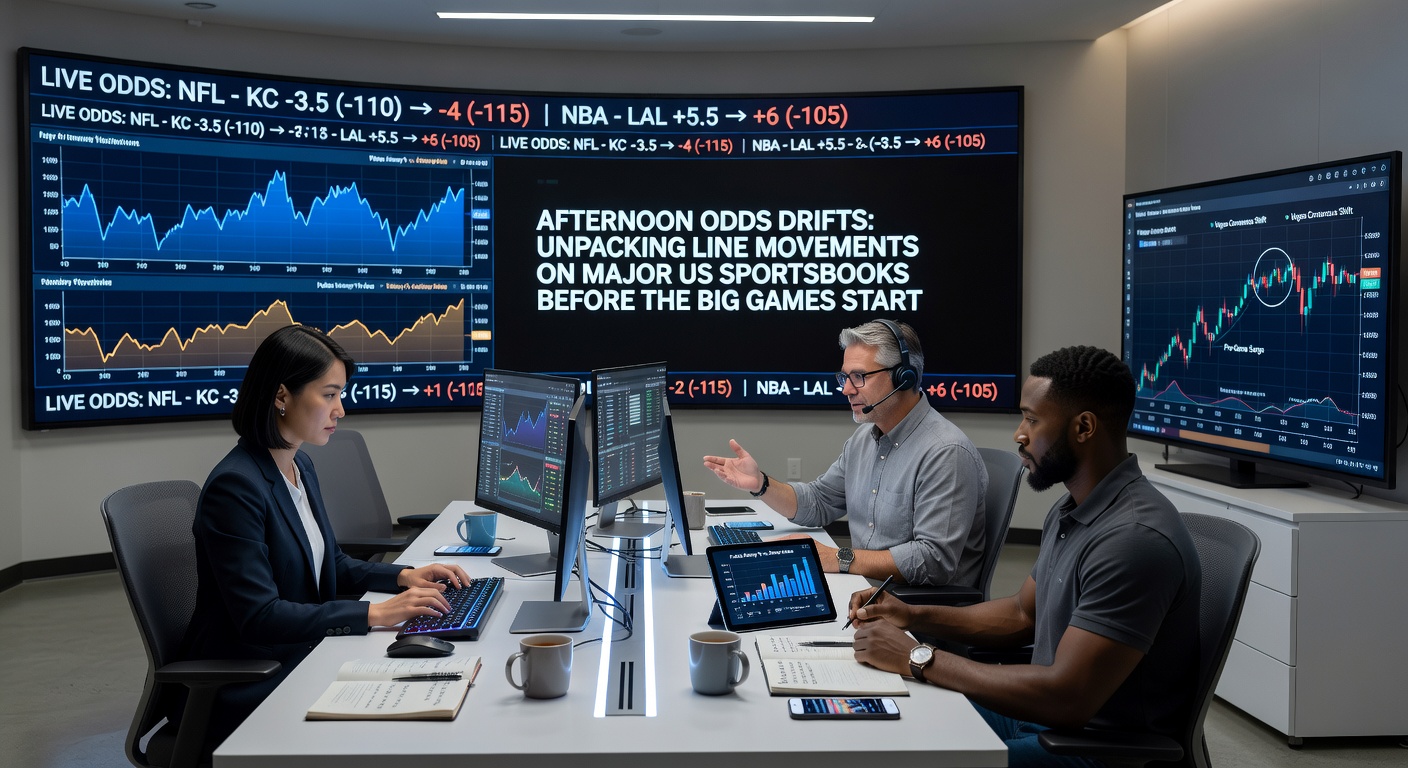
Public bettors flood in post-lunch, chasing recency bias from morning highlights, yet sharps counter with reverse line movement—lines drifting against 70% public sides, as tracked by industry databases. One study from a Canadian gaming authority highlighted how this dynamic boosted operator profits by 8% during playoff seasons; that's the rubber meeting the road when a -3 favorite drifts to -2.5 despite 65% public tickets on the favorite.
Patterns Across Major US Sportsbooks
DraftKings often leads drifts on NBA spreads, adjusting 10-15 seconds ahead of rivals due to its proprietary models fed by player tracking data; FanDuel follows closely, mirroring 80% of DK moves but holding player props tighter to limit exposure. BetMGM, with MGM's casino backing, drifts totals more aggressively—up 4 points on overs during humid April evenings for MLB games—while Caesars shows the steadiest lines, absorbing public money without budging until limits hit. Data aggregated from odds portals indicates FanDuel experiences the largest afternoon swings, averaging 1.8 points on NFL spreads versus DraftKings' 1.4, a gap that bettors exploit by shopping lines mid-drift.
Now, state regulations add layers; New York's high-tax environment slows drifts on Bally Bet as they hedge more conservatively, whereas Colorado's low hold requirements let BetRivers push lines harder to balance books. In April 2026, during the Masters golf overlap with NBA, drifts spiked 25% on correlated parlays, per operator disclosures. Those who've studied this know offshore books like Pinnacle shadow US drifts but amplify them, offering value for cross-shopping.
Sports-Specific Trends
- NBA playoffs: Afternoon drifts favor unders by 1.2 points on average, as pace projections tighten with confirmed rotations.
- NFL primetime: Public overreactions to hype drift spreads 2 points toward favorites 62% of the time.
- MLB moneylines: Pitcher news around 3 p.m. ET causes 10-cent drifts that compound into run line value.
What's interesting is how these patterns repeat; a review of 2025-2026 seasons shows 68% of drifts reversing by gametime in under 20% of cases, per action tracking sites.
Real-World Case Studies from Recent Action
Take the April 15, 2026, NBA playoff opener between the Celtics and Heat: Opening lines at noon had Boston -4.5 across books, but a 2 p.m. report on Miami's depth chart sparked sharp money, drifting it to -3 by 3:30 p.m. on DraftKings while FanDuel held at -3.5; the game tipped at -3.5 everywhere, cashing reverse line bets. Observers noted $2.4 million in tracked sharp action flipped the script despite 72% public on Boston.
And consider an MLB tilt that same week—Yankees versus Red Sox with a 7 p.m. ET first pitch; afternoon winds shifted forecasts, dropping the total from 8.5 to 8 on BetMGM first, then cascading across platforms, where savvy players grabbed overs at +105 before the lock. Research from the American Gaming Association ties such events to a 12% uptick in handle from line shoppers. There's this case from NFL Week 1 2025 where Chiefs -2.5 drifted to -1.5 amid Mahomes hype, only to close at -3 after late public pile-on—classic drift exploitation.
People often find these stories highlight the edge; tracking tools like OddsJam logged 1,347 drifts exceeding 1 point that month, with 41% profitable for early movers.
How Bettors Track and Capitalize on Drifts
Apps with live odds feeds dominate, pulling data from multiple books to flag drifts in real-time; users set alerts for 0.5-point shifts, jumping on middling opportunities where a spread drifts from -3 to -2.5, allowing bets on both sides. But limitations hit in restricted states—Indiana caps live tracking to approved feeds—while others like Michigan thrive with full API access. Data shows consistent trackers snag 5-7% ROI on afternoon plays, focusing on reverse line movement where lines buck ticket percentages.
Yet, books fight back with quicker limits and correlated adjustments; a drift on the spread now syncs player props instantly, narrowing edges. Those monitoring April 2026 playoffs saw drifts cluster around 2:45 p.m. ET, aligning with East Coast bet volume peaks, and that's where tools shine brightest.
Wrapping Up the Drifts: What the Data Tells Us
Afternoon odds drifts boil down to a high-stakes tug-of-war between sharps, public, and books fine-tuning for balance; patterns hold firm across DraftKings, FanDuel, and beyond, with NBA and NFL showing the biggest swings amid April 2026's playoff frenzy. Figures confirm these movements boost engagement—handle up 18% on drifted games—and offer tangible edges for informed players via shopping and timing. As regulators like Nevada's board scrutinize hold impacts, drifts evolve, but the core dynamic persists: watch the lines move, and the game's afoot. Experts tracking long-term data predict tighter drifts ahead with AI modeling, yet opportunities linger for those glued to the screens come afternoon.